$12 Billion in One Day: What the Biogen and Lilly Deals Tell Biotech Operators
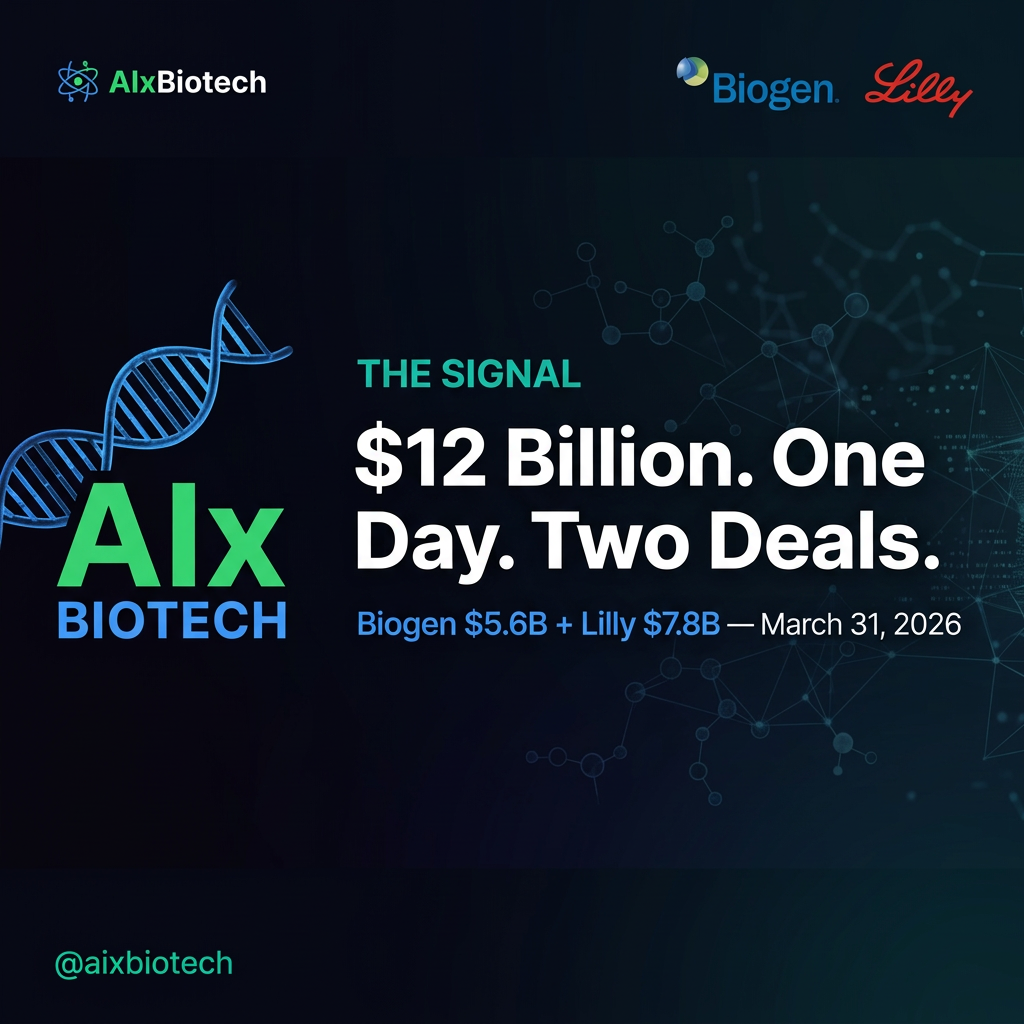
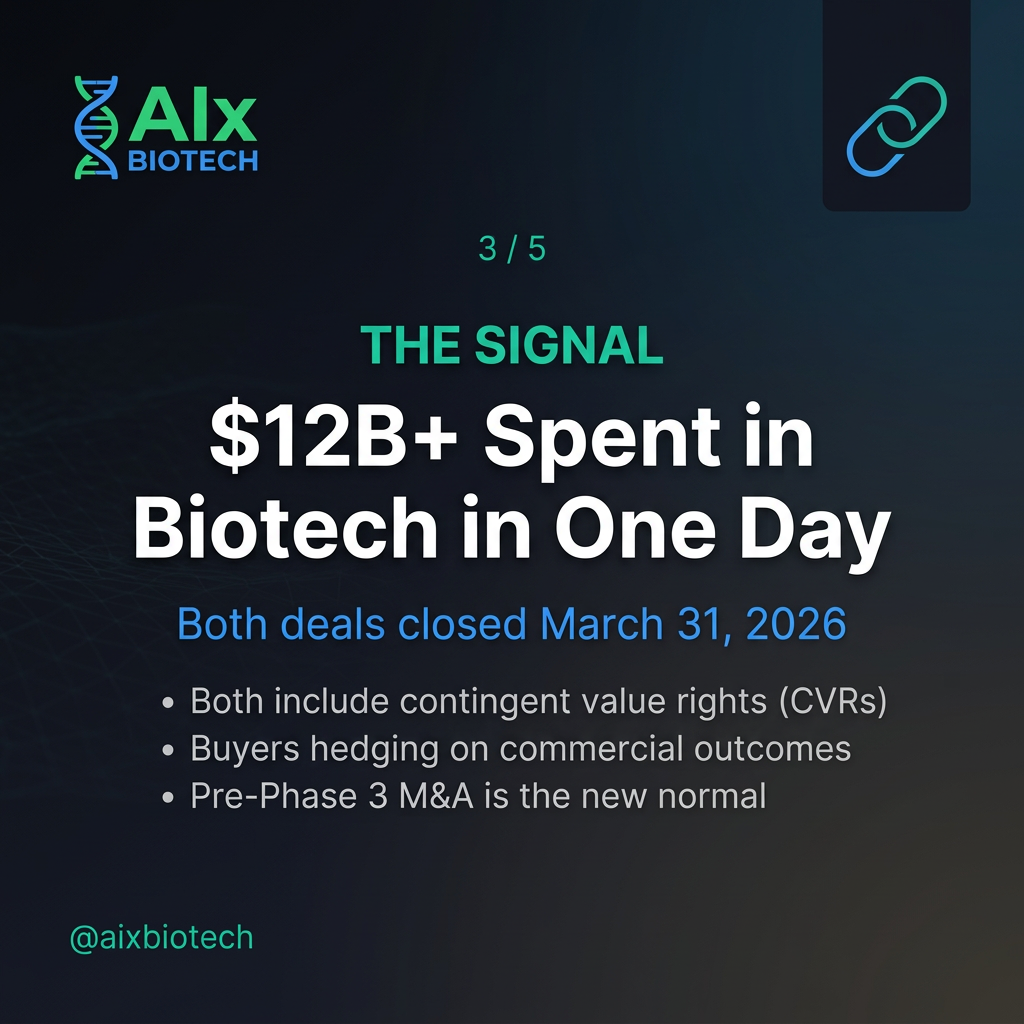
On March 31, 2026, two of the world’s largest pharmaceutical companies spent over $12 billion in a single day. Biogen acquired Apellis Pharmaceuticals for $5.6 billion. Eli Lilly acquired Centessa Pharmaceuticals for up to $7.8 billion. If you work in biotech operations, commercial strategy, or market access, this is not just M&A news. It is a signal about where the next wave of pipeline pressure is heading.
What Happened
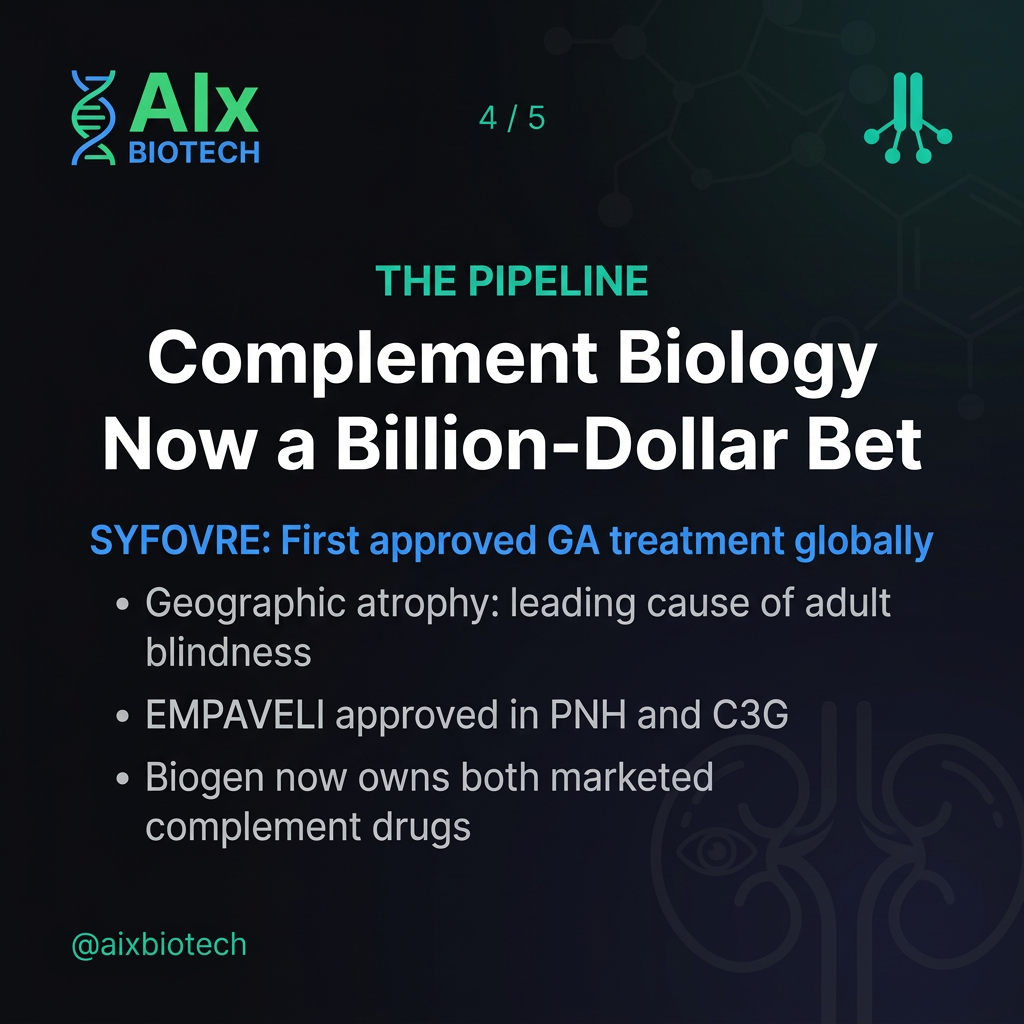
Biogen agreed to acquire Apellis Pharmaceuticals at $41.00 per share in cash, totalling approximately $5.6 billion, plus a contingent value right (CVR) tied to future milestones. Apellis brings two FDA-approved complement therapies: EMPAVELI, approved in three indications including PNH and C3G, and SYFOVRE, the first approved treatment for geographic atrophy (GA), a leading cause of blindness in adults over 60. The deal accelerates Biogen’s pivot away from neuroscience into nephrology and ophthalmology (Biogen press release, March 31, 2026).
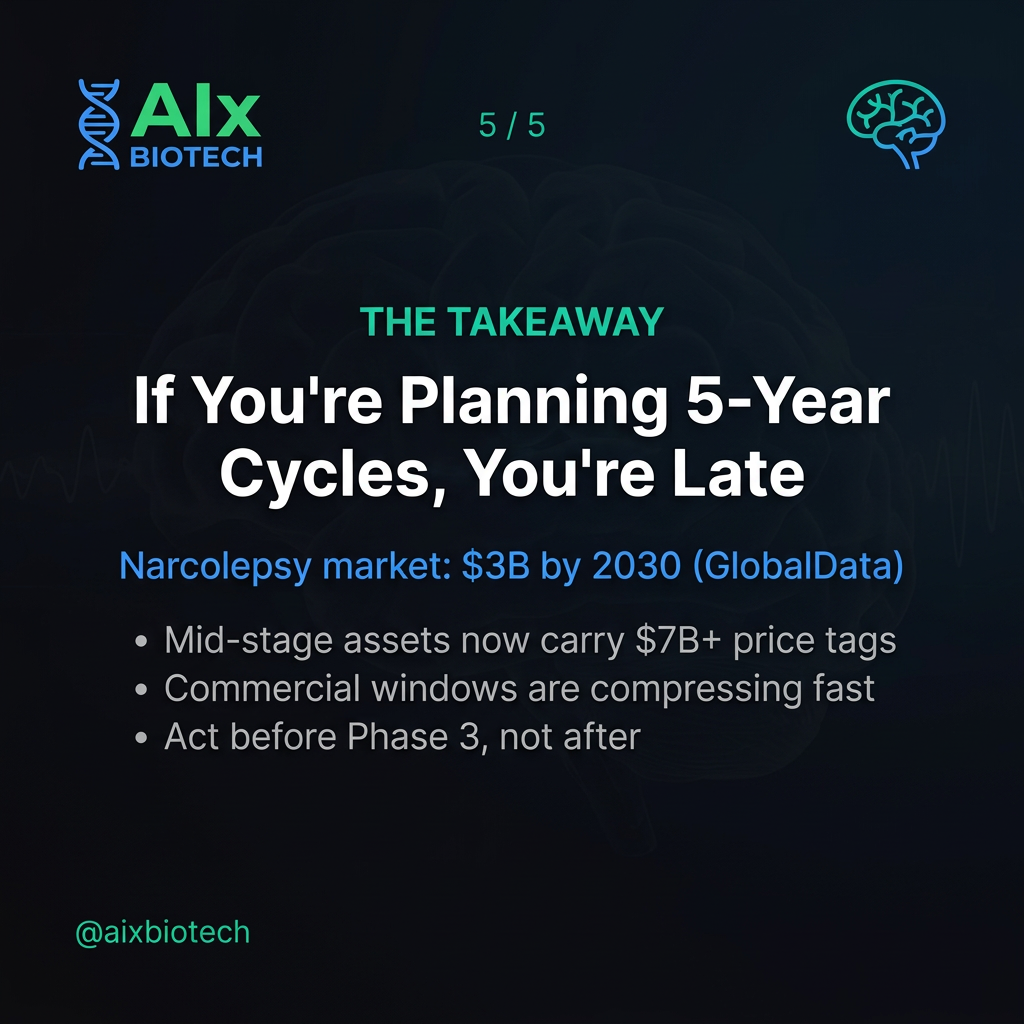
On the same day, Eli Lilly announced it would acquire Centessa Pharmaceuticals for up to $47 per share, valuing the deal at approximately $7.8 billion including a CVR. Centessa’s lead asset, cleminorexton, is an orexin-2 receptor (OX2R) agonist in mid-stage clinical trials for narcolepsy. Lilly is positioning this as a direct competitor to Takeda’s oveporexton in what analysts are calling the emerging orexin gold rush (STAT News, March 31, 2026).
Why It Matters for Biotech Operators
- Pipeline compression is accelerating. Both deals target assets still in mid-stage trials. Acquirers are no longer waiting for Phase 3 readouts. Commercial teams need to model launch scenarios earlier than ever before.
- New therapeutic areas are now under M&A pressure. Complement biology and orexin receptor science were niche fields 18 months ago. Now they carry billion-dollar price tags. Market access and pricing teams need to monitor adjacency risk across their entire portfolio.
- CVR structures signal uncertainty in valuations. Both deals include contingent value rights tied to future milestones. This tells operations and finance teams that buyers are hedging on commercial outcomes. Forecast confidence is declining even at deal close.
- Biogen’s strategic pivot is complete. After years of neuroscience dominance, Biogen is now a nephrology and ophthalmology player. Competitive intelligence teams tracking rare disease markets need to update their landscape maps immediately.
- The orexin race is real. Lilly is buying into a market that does not fully exist yet. Centessa’s cleminorexton has not cleared Phase 3. This is a bet on speed, not on proof. Operators in CNS and sleep medicine should expect significant commercial competition within 24 to 36 months.
What to Watch Next
Biogen’s ability to integrate Apellis without disrupting the existing SYFOVRE and EMPAVELI commercial infrastructure will be the first stress test. Both products are already marketed, which means sales force alignment, distribution agreements, and payer contracts will need renegotiation at scale. Watch for distributor announcements and specialty pharmacy access updates in Q2 2026.
For Lilly, the real question is whether cleminorexton can differentiate from Takeda’s oveporexton on efficacy, safety profile, or dosing convenience. The narcolepsy market is estimated at $3 billion globally by 2030 (GlobalData, 2025). If both products reach market, pricing pressure will arrive fast. Market access teams at competing CNS companies should start building payer engagement strategies now, not after approval.
Both deals also raise the bar on AI-driven deal sourcing. As covered in why the rNPV spreadsheet is no longer enough for biotech valuation, traditional financial models are struggling to price mid-stage biotech assets accurately. The speed and scale of these acquisitions suggest that AI-assisted valuation and pipeline scouting are no longer optional for business development teams.
This level of M&A intensity also mirrors the broader compression happening across the industry. As analysed in AI compressing every layer of biotech simultaneously, deal velocity, pipeline timelines, and commercial windows are all shortening at once. Operators who are still planning on 5-year commercial cycles are already behind.
Key Takeaway
Two deals. One day. $12 billion. The companies making these moves are not waiting for certainty. If your commercial, market access, or operations team is still in planning mode, this is your signal to move faster.