One Injection Restored Hearing in Every Patient. What Gene Therapy Just Did to the Rare Disease Market
A single injection. Ten patients. Every one of them heard sounds they had never heard before. This is not a promising early result. This is a signal the rare disease commercial model is about to change.
What Happened
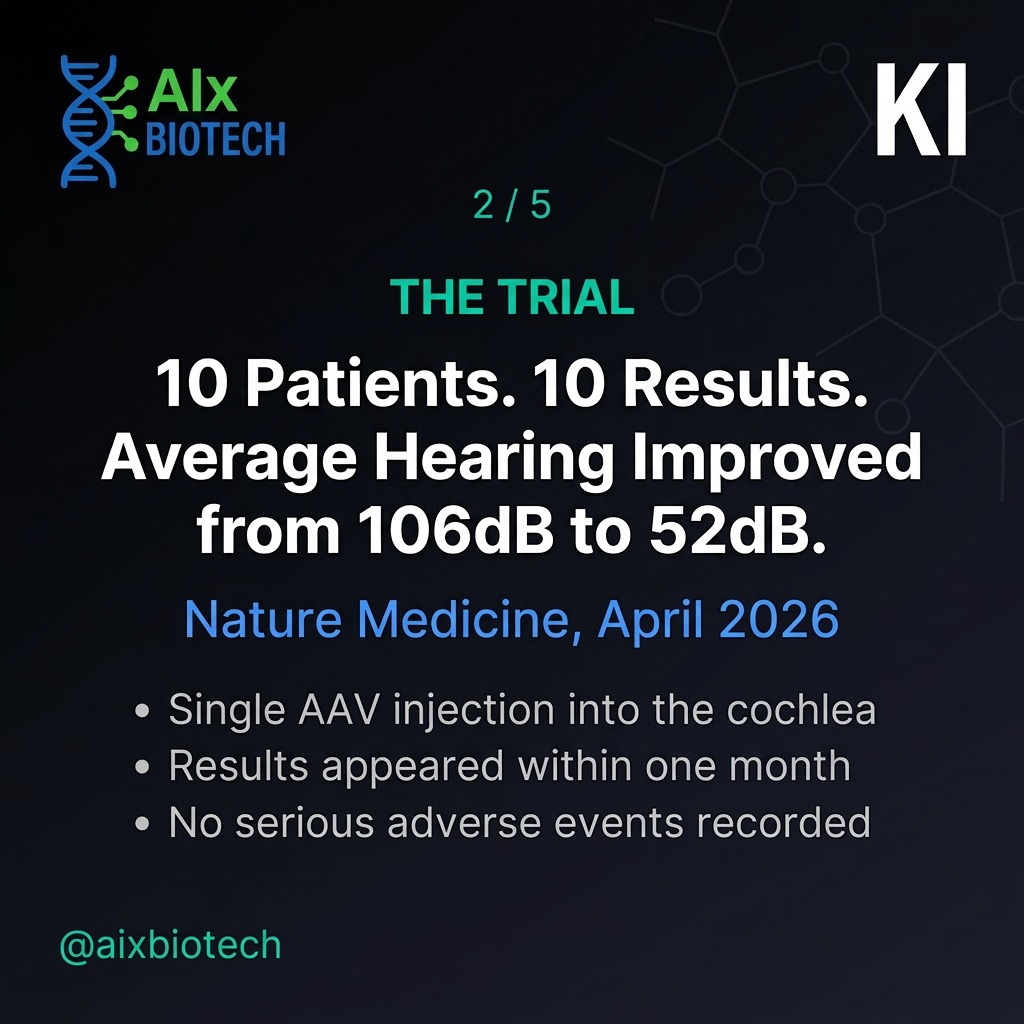
Researchers at Karolinska Institutet, working with hospitals across China, published results in Nature Medicine on April 3, 2026. They treated ten patients born with deafness caused by OTOF gene mutations. OTOF mutations prevent production of otoferlin, the protein that sends sound signals from the inner ear to the brain.
The therapy used a synthetic adeno-associated virus (AAV) to deliver a working copy of the OTOF gene directly into the cochlea via a single injection. Average hearing threshold improved from 106 decibels to 52 decibels. All ten patients improved. No serious adverse events were recorded.
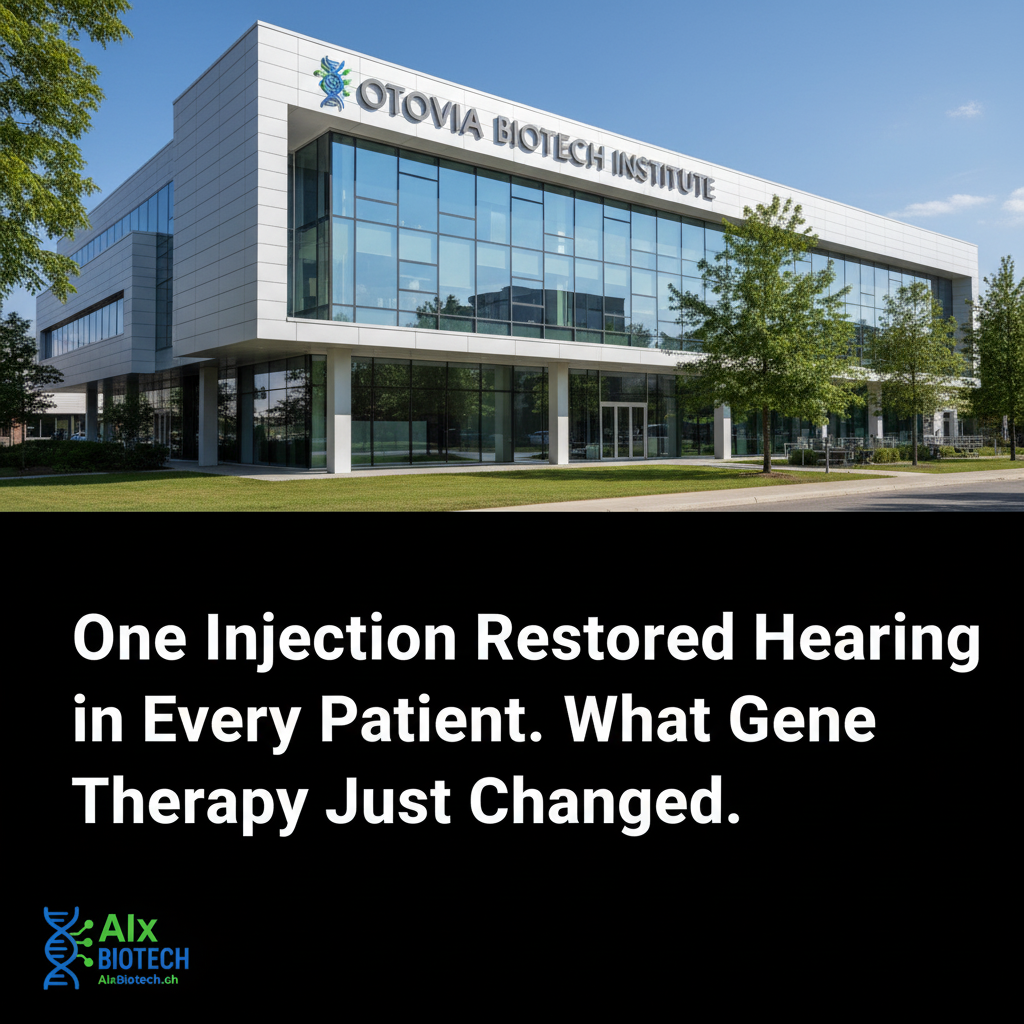
The therapy was developed by Otovia Therapeutics, a Suzhou-based company that raised close to 100 million yuan in new financing in January 2026 (The Pharma Letter, 2026).
Why It Matters for Biotech Operators
- Proof in adults, not just children. Previous AAV hearing trials showed results only in young children. This trial included patients up to age 24. That expands the addressable patient population significantly.
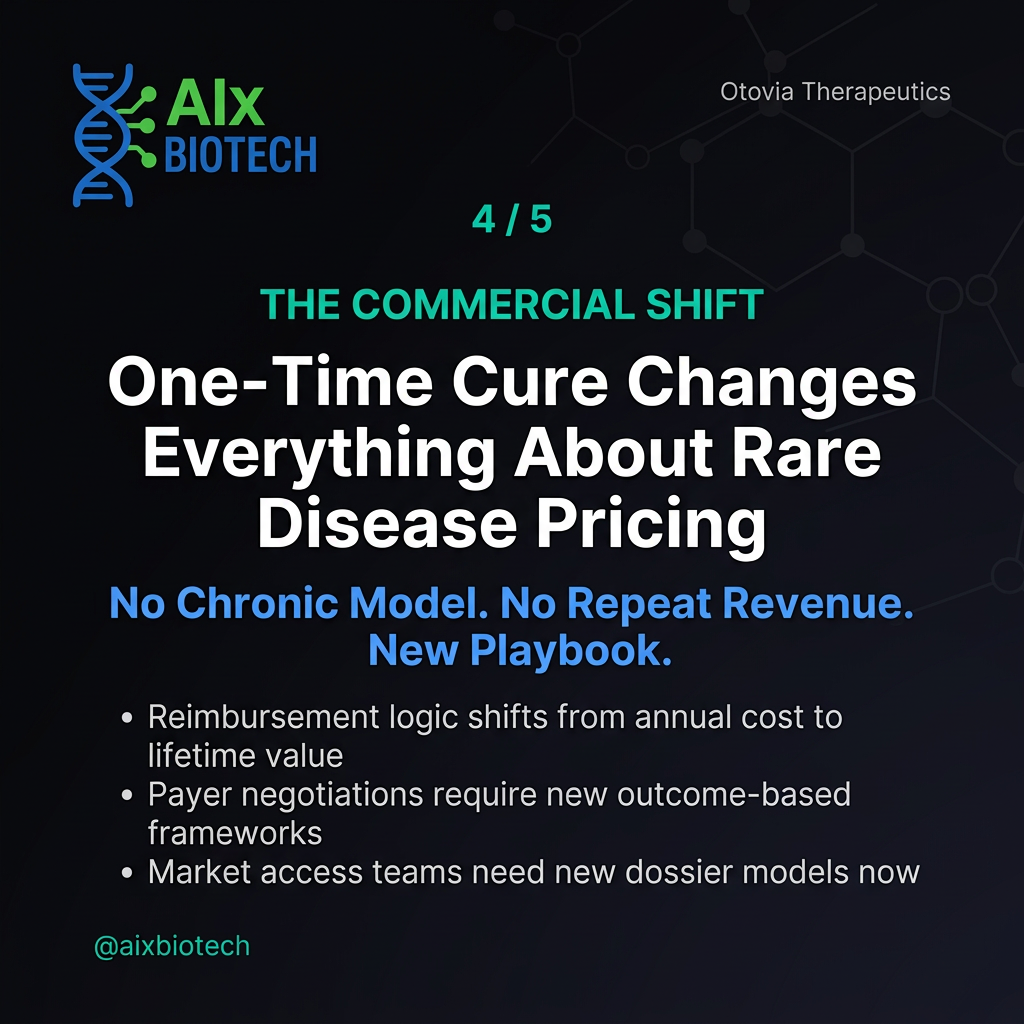
- One injection, lasting effect. A single-dose therapy removes the chronic treatment model entirely. That changes reimbursement logic, pricing strategy, and patient access planning from day one.
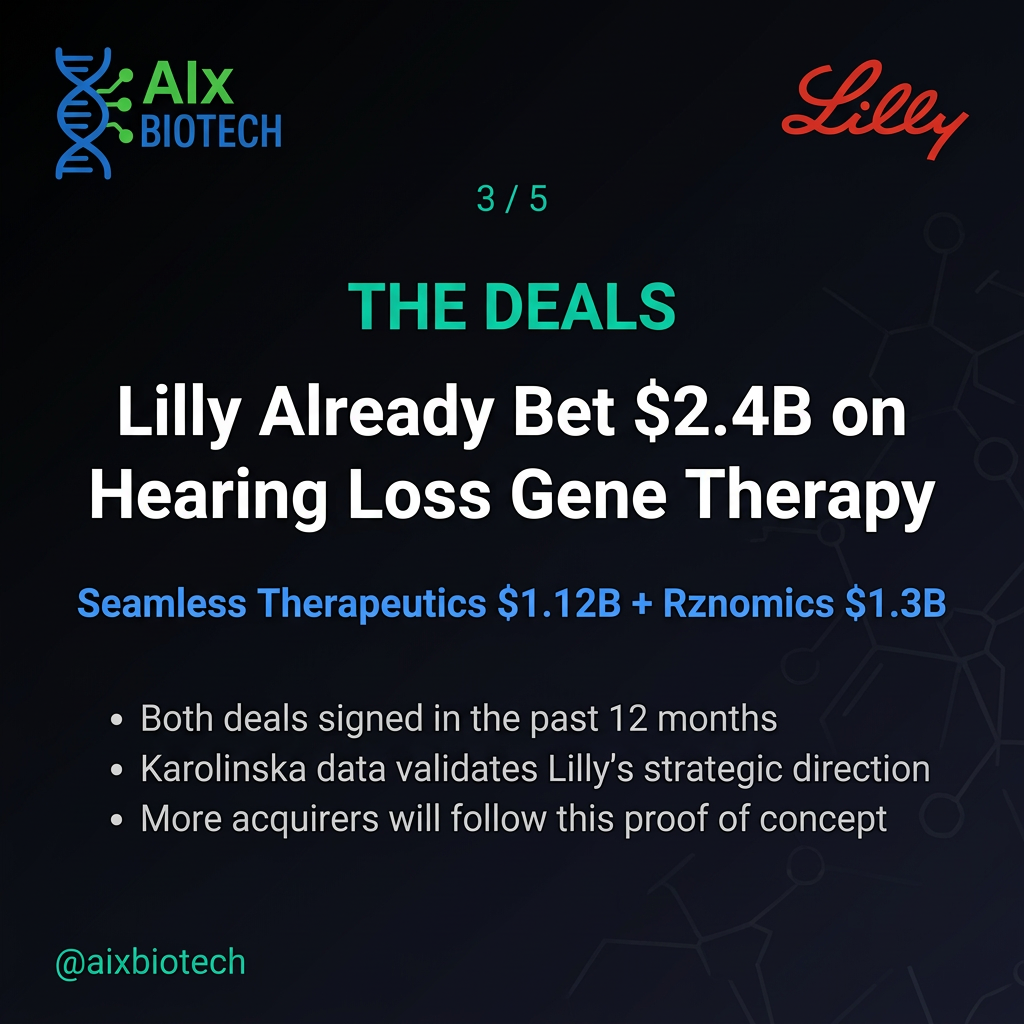
- Lilly is already moving. Eli Lilly signed two hearing loss gene therapy deals worth a combined $2.4 billion in the past 12 months. A $1.12 billion collaboration with Seamless Therapeutics (January 2026) and a $1.3 billion deal with Rznomics (May 2025). The Karolinska results accelerate the strategic logic behind both (Fierce Biotech, 2026; Pharmaceutical Technology, 2025).
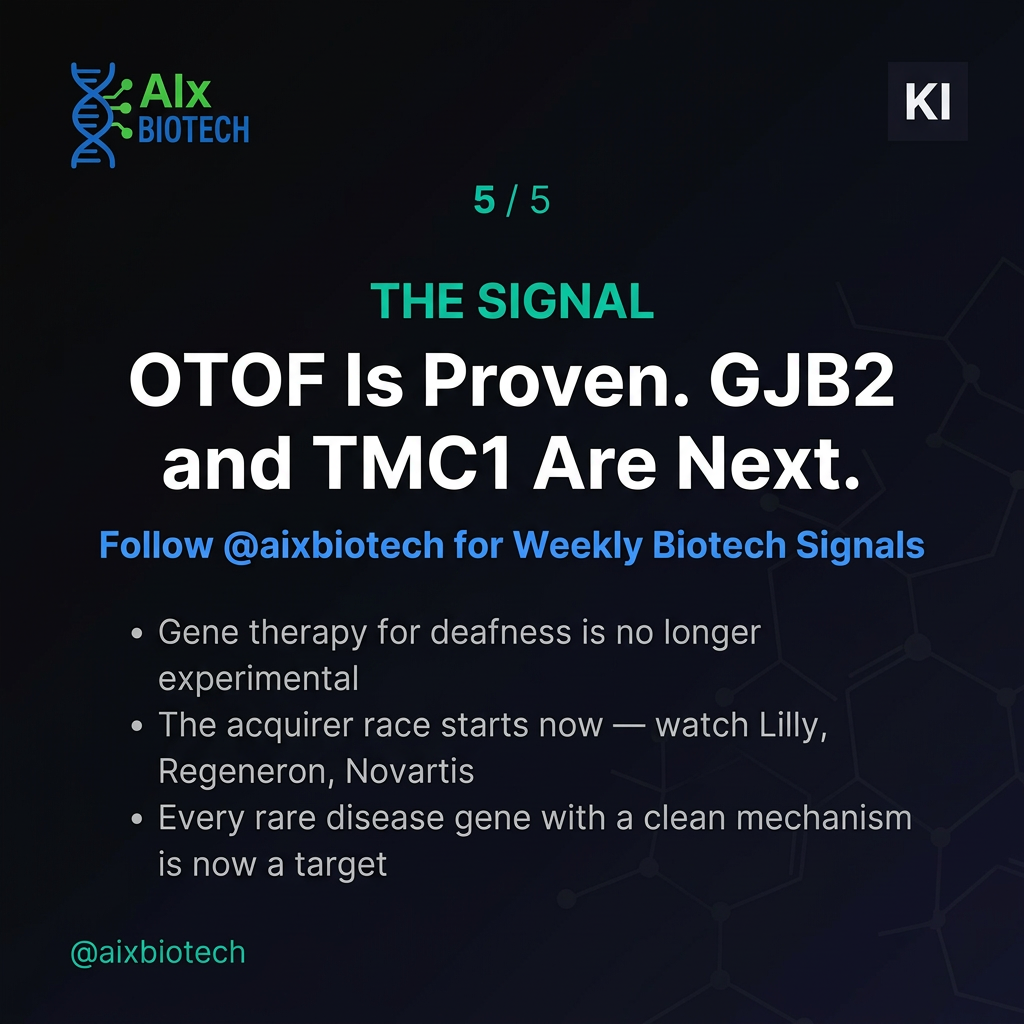
- OTOF is one gene of many. The research team stated they are already expanding to GJB2 and TMC1, two more common deafness genes. The commercial opportunity expands with each new target.
What to Watch Next
Otovia Therapeutics will seek regulatory approval in China first. A US or EU filing would require a separate trial under FDA or EMA standards. Watch for an IND application or a licensing deal with a larger western biopharma. The Karolinska data gives any acquirer exactly the clinical proof they need to move.
Eli Lilly is the most likely consolidator in this space given its two existing hearing loss commitments. But Regeneron, Sanofi, and Novartis all have rare disease gene therapy infrastructure that makes this asset strategically attractive. For more on how deal signals like this drive valuation models, see AI Biotech Valuation Modeling: Why the rNPV Spreadsheet Is No Longer Enough.
Key Takeaway
A one-time injection that restores hearing in 100% of patients is not a scientific curiosity. It is a commercial asset. The question for biotech executives is not whether this market will move. It is whether your organisation is positioned to move with it.
Based on publicly available information. Sources: Nature Medicine (2026), Karolinska Institutet, The Pharma Letter (2026), Fierce Biotech (2026), Pharmaceutical Technology (2025).