
AI Signal Detection in Pharmacovigilance: Finding the Safety Signal Before It Finds You
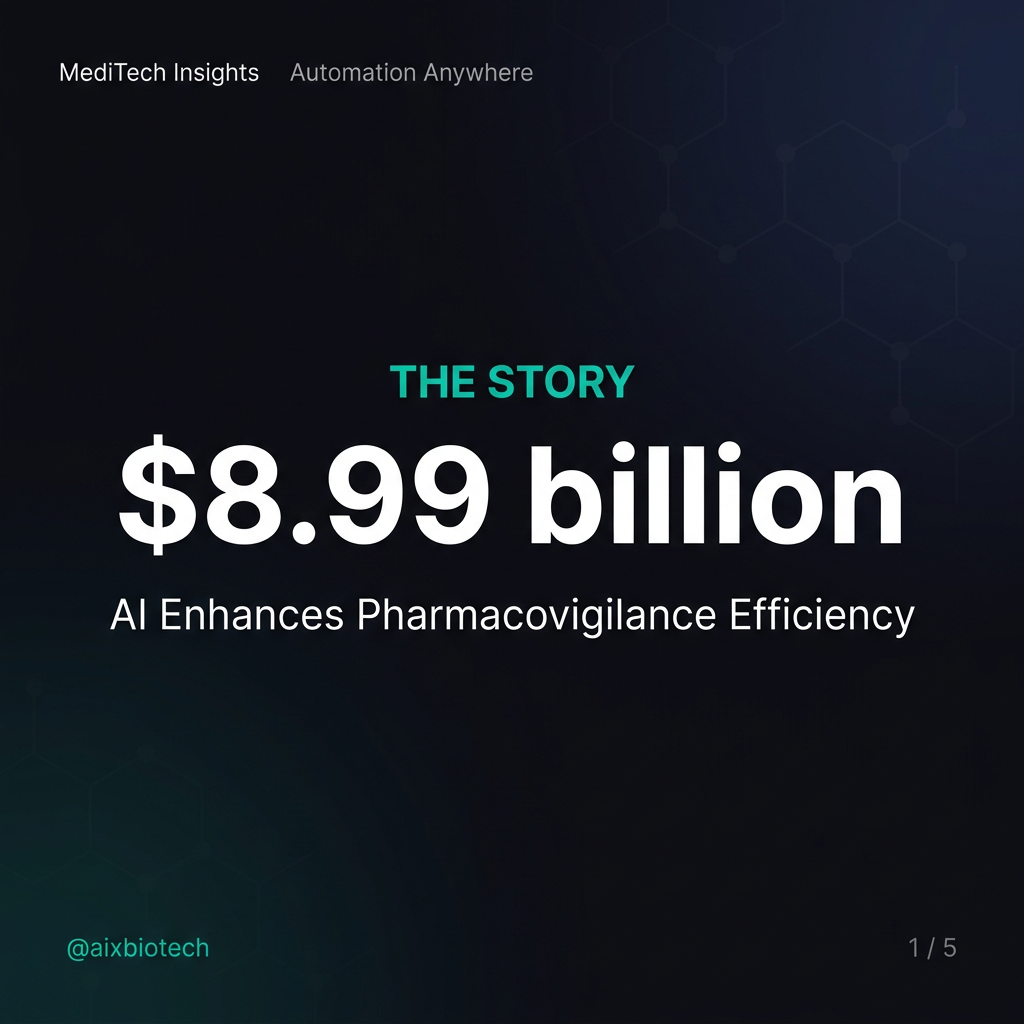
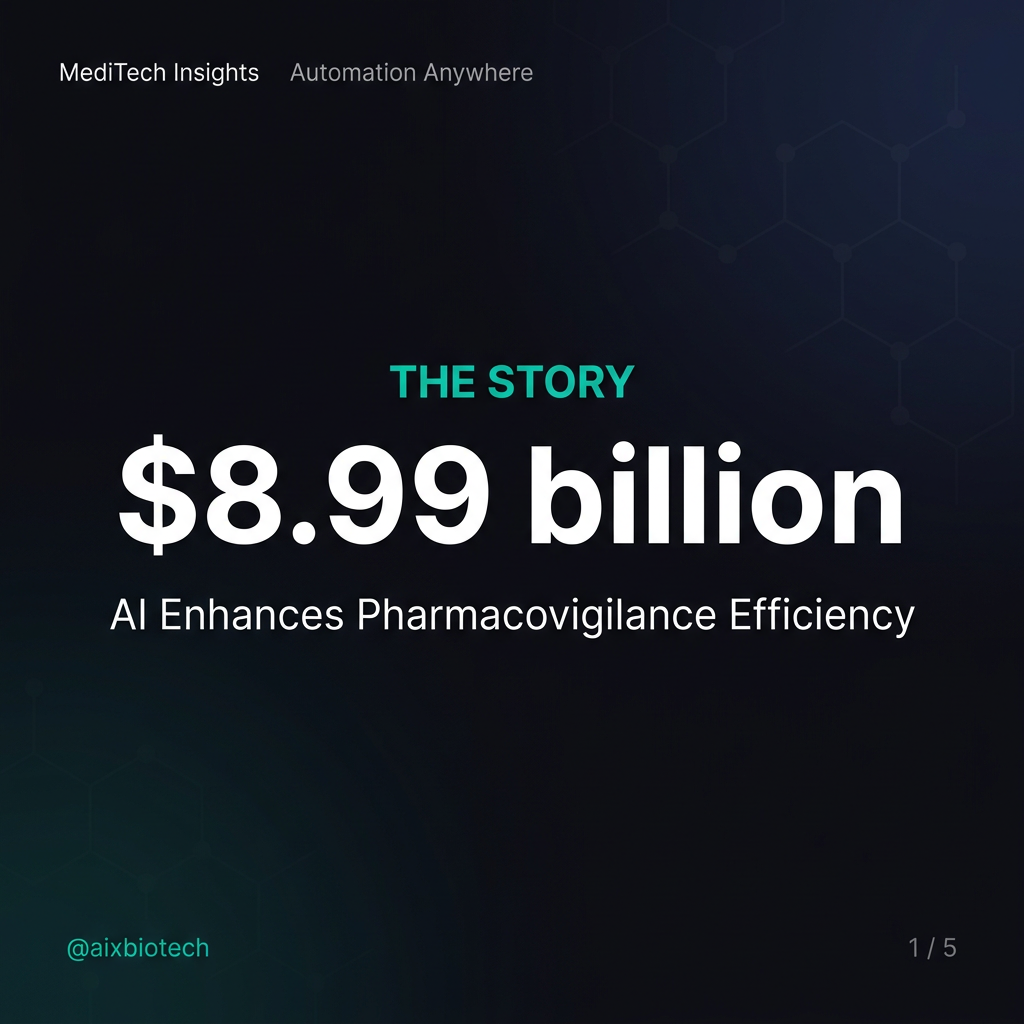
Every pharma and biotech company running a marketed product has the same problem. Adverse event reports arrive faster than teams can process them. The volume grows with every new market, every label expansion, every post-marketing commitment. Manual signal detection, based on disproportionality analysis run by a small team against a database that is always weeks behind, is a process designed for the volume of 2005. The AI in pharmacovigilance market was valued at $8.99 billion in 2025 and is projected to reach $16.62 billion by 2035 at a 6.34% CAGR (Nova One Advisor, 2025). That growth is not speculative. It reflects what PV teams are already doing.
AI signal detection does not replace the pharmacovigilance scientist. It processes data at a scale and speed that no team can match manually, surfaces the signals that warrant expert attention, and allows the pharmacovigilance function to spend its time on judgement rather than data processing.
Why Manual Signal Detection Is No Longer Sufficient
The volume problem in pharmacovigilance is structural. Post-approval adverse event reporting requirements cover all marketed markets simultaneously. Social media, patient forums, scientific literature, clinical study reports, and spontaneous reports from healthcare professionals and patients all represent potential safety signal sources. The CIOMS Working Group XIV draft report, published for public consultation in May 2025, explicitly identified AI as a necessary capability for managing this data volume in modern pharmacovigilance systems.
Traditional signal detection methods, primarily proportional reporting ratio and reporting odds ratio calculations run against the WHO VigiBase or company safety databases, are effective at identifying known disproportionalities in structured data. They are slow, they lag the incoming data by the time it takes to process ICSRs, and they cannot scan unstructured sources like published literature, social media, or free-text case narratives at any meaningful scale.
The consequence of missing a signal late is not just a regulatory problem. It is a patient safety problem and a commercial one. A safety signal identified proactively through AI monitoring, which leads to a label update or a risk minimisation measure, is a controlled response. A signal identified by regulators or through media attention before the company has acted is a crisis.
What AI Signal Detection Actually Does
AI signal detection in pharmacovigilance operates across three distinct functions that together give PV teams a materially different level of surveillance capability.
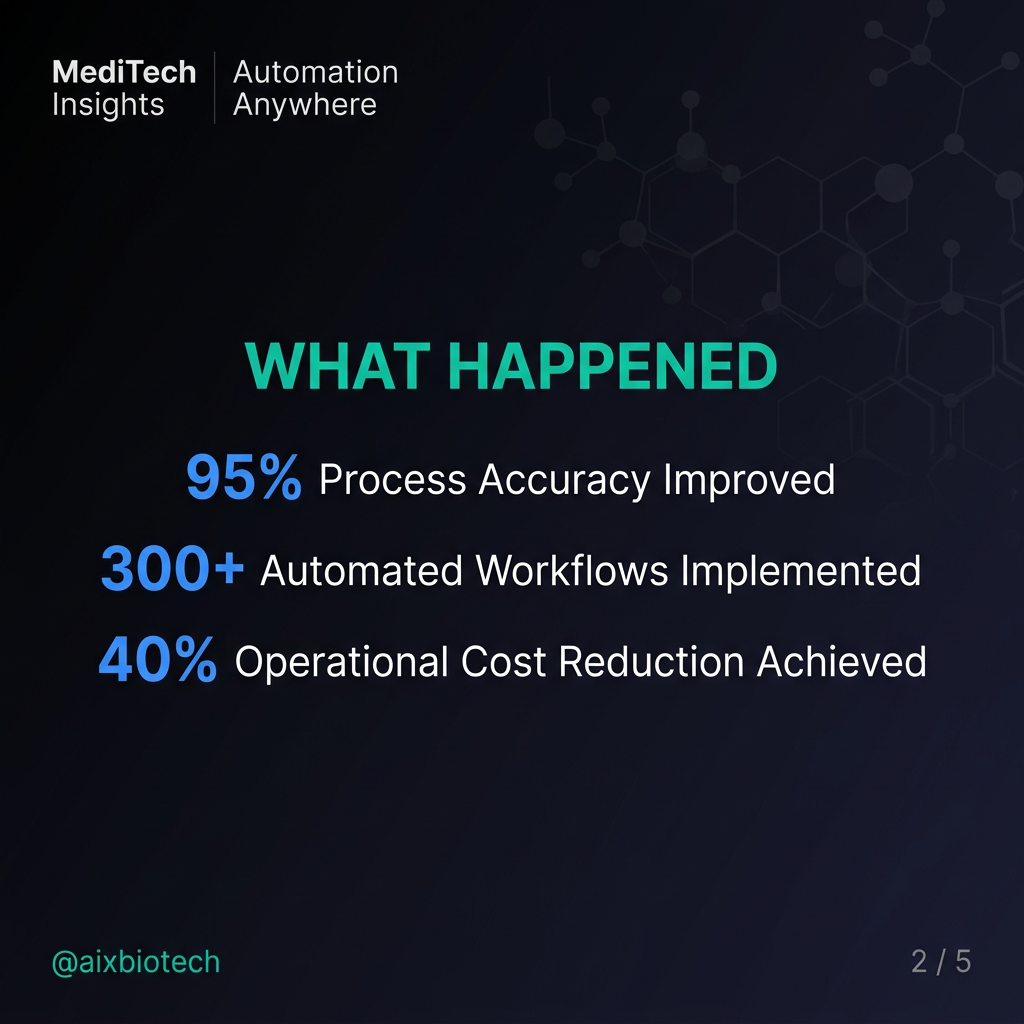
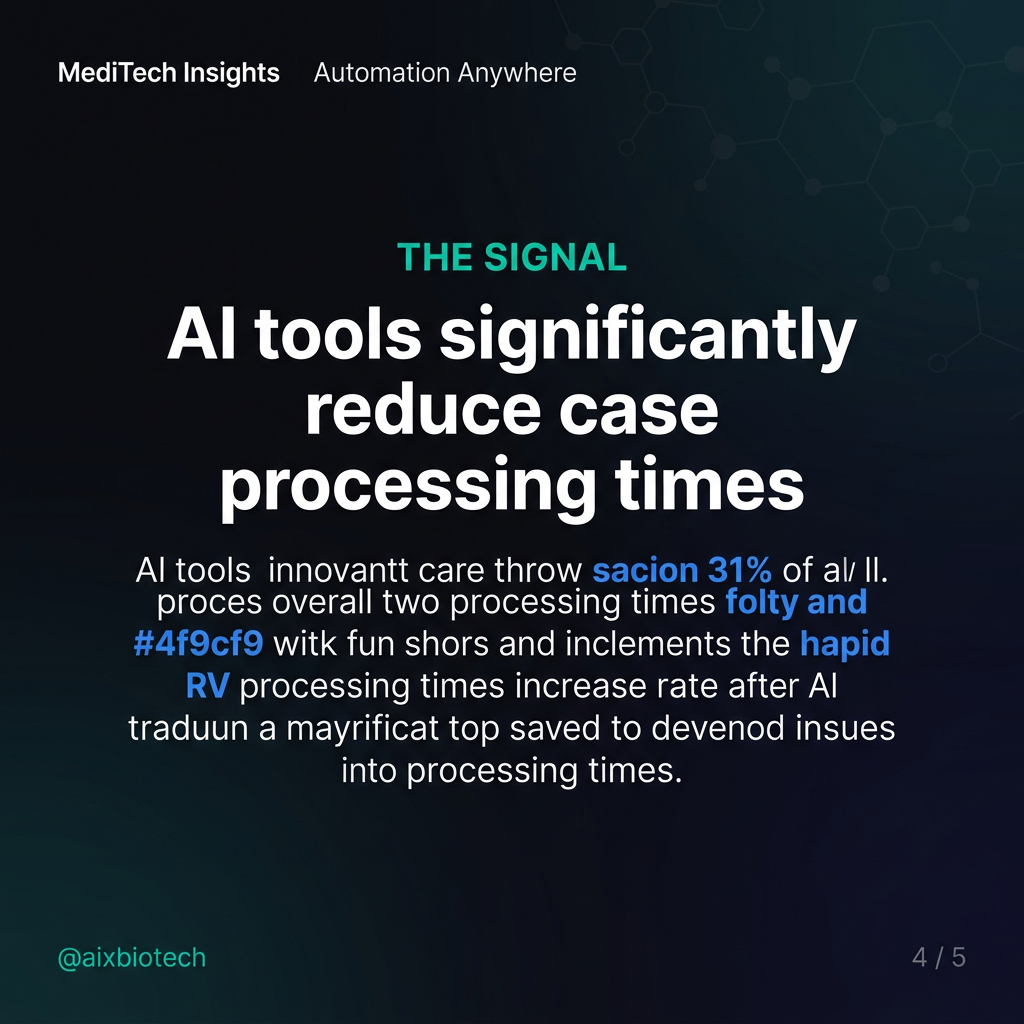
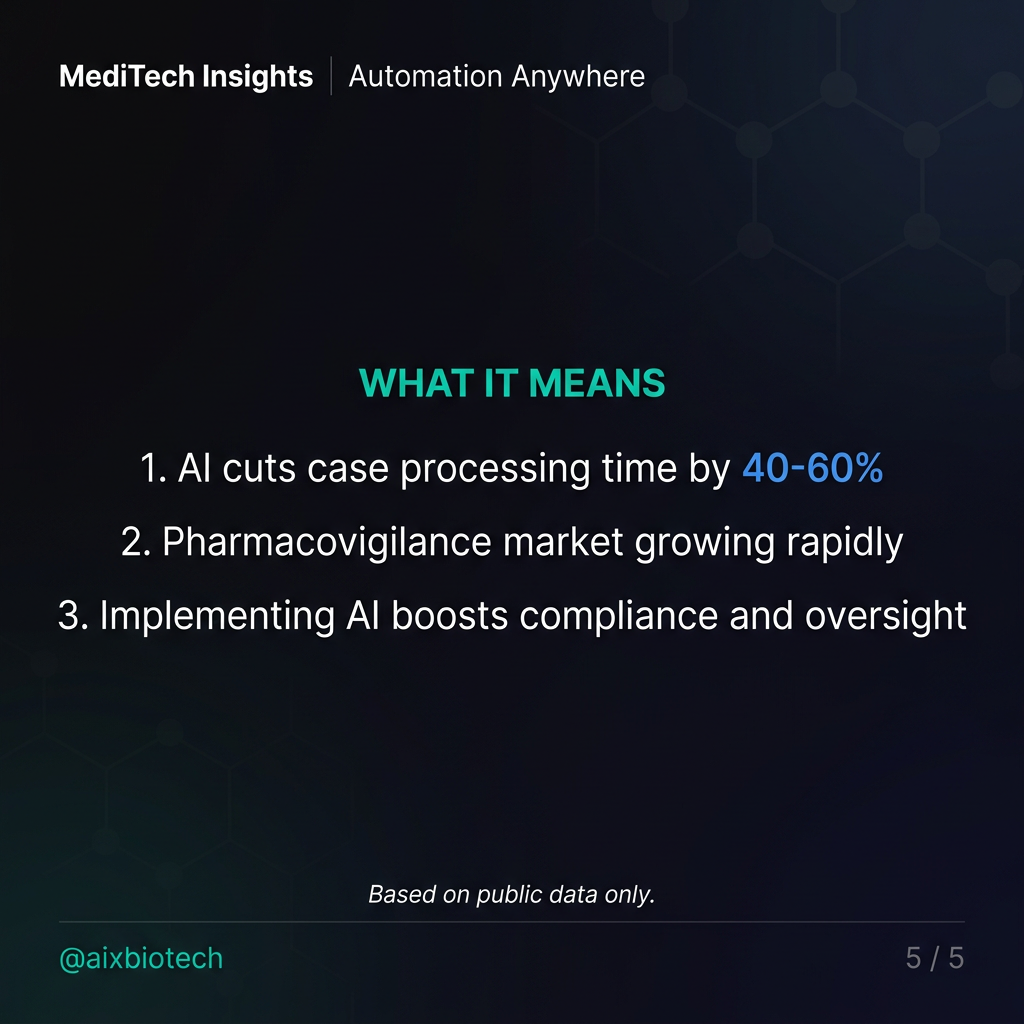
The first is automated ICSR triage and processing. Automation Anywhere reported in 2025 that AI agents are reducing case processing time in pharmacovigilance by 40 to 60 percent. ICSRs arriving from multiple sources, emails, fax conversions, patient support programme reports, and literature cases, can be ingested, classified for seriousness and expectedness, and routed for medical review without manual data entry. The pharmacovigilance case processor spends time on medical assessment rather than on copying data between systems.
The second is continuous literature monitoring. Regulatory requirements in most major markets include systematic literature review for adverse event identification. Manual literature monitoring typically runs on a fortnightly or monthly cycle and covers a predefined set of journals. AI-driven literature monitoring scans PubMed, EMBASE, and other databases continuously, classifies papers for safety relevance, and flags new cases or aggregate signals for review. The monitoring is more comprehensive and the lag between publication and detection is measured in hours rather than weeks.
The third is signal detection across unstructured data. Patient forum posts, social media reports, and free-text case narratives contain safety information that structured database queries cannot access. Natural language processing models trained on PV-specific vocabulary can scan these sources, identify potential adverse event descriptions, and route them for clinical assessment. This extends surveillance to data sources that were effectively invisible to traditional PV operations.
Why This Matters for Biotech PV Teams Now
- Report volumes are growing faster than headcount: Every new approved indication, every new market authorisation, and every new post-marketing study generates additional reporting obligations. AI ICSR processing absorbs that volume growth without proportional headcount increases. The AI in PV market growing at 12 to 15% CAGR (MediTech Insights) reflects what MAH teams are spending to solve this problem.
- Regulatory expectations on signal detection timelines are tightening: EMA and FDA both expect MAHs to demonstrate proactive signal detection, not reactive reporting. AI tools that run continuous surveillance give PV teams the documentation to show regulators that their signal detection capability is systematic and timely.
- The 15-day expedited reporting clock does not wait: Serious unexpected adverse drug reactions require submission within 15 days of the MAH becoming aware. AI triage tools that correctly classify incoming cases for seriousness and expectedness on receipt reduce the risk of missing a 15-day deadline due to processing backlogs.
- Literature monitoring is a known weak point: Regulatory inspections frequently identify gaps in literature monitoring coverage and timeliness. AI-driven continuous monitoring closes the coverage gap and produces the audit trail that demonstrates systematic review.
- Small biotech PV teams face disproportionate risk: A large pharma company can staff a PV department of 50 or more. A mid-size biotech with two or three marketed products may have a team of five to ten. AI tools give that small team a surveillance capability that was previously only achievable with much larger resources.
A Concrete Example: Literature Monitoring Gap Closure
A mid-size biotech with a marketed oncology product runs a fortnightly literature search across six databases, reviewed by a medical writer and a pharmacovigilance scientist. The process takes approximately two days every two weeks, covers a predefined search string, and produces a review log for regulatory purposes.
An AI literature monitoring tool runs the same search continuously, across a broader set of databases, with a more comprehensive search string, and flags relevant papers for review within 24 hours of publication. The pharmacovigilance scientist reviews flagged papers rather than running the search. The process that previously took two days per fortnight takes two to three hours per week. The coverage is broader, the lag is shorter, and the audit trail is more complete. The risk of a regulator identifying a published case that the MAH missed in their monitoring is materially lower.
For context on how AI is being applied across other regulated functions in biotech, see how AI is accelerating regulatory submission drafting and which AI tools are compliant for regulated biotech office functions.
How to Start Without Creating Compliance Risk
- Validate before you deploy in GxP workflows: Pharmacovigilance is a GxP-regulated function. Any AI tool used in ICSR processing, signal detection, or literature monitoring that contributes to regulatory submissions must be validated under your quality system before use. This is not optional. It is a prerequisite for regulatory inspection readiness.
- Start with literature monitoring: AI-driven literature monitoring is the lowest-risk entry point for most biotech PV teams. It does not touch your safety database directly, it produces a clear audit trail, and the efficiency gain is immediate. Validate the tool against your existing manual process before transitioning fully.
- Never remove medical oversight from signal assessment: AI identifies and triage signals. The assessment of whether a signal represents a new risk, requires label update, or warrants regulatory communication is a medical and scientific judgement that must remain with a qualified pharmacovigilance professional. AI does not replace the Qualified Person for Pharmacovigilance or the signal assessment process.
- Document your AI use in your pharmacovigilance system master file: As regulatory guidance on AI in PV develops, MAHs will need to demonstrate that their AI tools are validated, that human oversight is maintained, and that the outputs are auditable. Build that documentation into your PSMF now.
- Patient data is always out of scope for general AI tools: ICSRs contain patient identifiers, medical histories, and clinical details. They must never enter any AI tool that is not validated, deployed within your controlled environment, and covered by appropriate data processing agreements. GDPR and HIPAA requirements apply in full. This boundary is firm.
Key Takeaway
AI signal detection in pharmacovigilance is not a future investment. It is a present operational necessity for any biotech team managing marketed products at scale. The volume of adverse event data has outpaced what manual processes can reliably cover. The regulatory expectation for proactive, systematic signal detection is increasing. AI tools that are properly validated and deployed within controlled environments give PV teams the surveillance capability, the processing efficiency, and the audit trail to meet that expectation without scaling headcount linearly with product volume.
Frequently Asked Questions
Does AI in pharmacovigilance require GxP validation?
Yes. Any AI tool used in processes that contribute to regulatory submissions, including ICSR processing, signal detection, and literature monitoring for adverse event identification, must be validated under the company’s quality system before use in a GxP context. This includes defining the intended use, conducting validation testing, and maintaining validation documentation as part of the quality management system.
Can AI tools process patient data from adverse event reports?
ICSRs contain personal data including patient identifiers and medical histories. AI tools used to process ICSR data must be deployed within a controlled, validated environment with appropriate data processing agreements, GDPR compliance, and access controls. Patient data from adverse event reports must never enter consumer AI tools or any system that has not been validated and approved for this purpose by IT, legal, and quality.
How does AI signal detection compare to traditional disproportionality analysis?
Traditional disproportionality analysis, using methods like PRR and ROR against structured safety databases, is effective for identifying quantitative imbalances in reported adverse events. AI signal detection adds the ability to process unstructured data sources including literature, social media, and free-text case narratives, and to run surveillance continuously rather than on periodic cycles. The two approaches are complementary rather than substitutes.
Based on publicly available information. This analysis covers non-proprietary, publicly disclosed data only. References: Nova One Advisor (2025), MediTech Insights (2025), Automation Anywhere (2025), CIOMS Working Group XIV (2025), Lifebit.ai (2025).