AI cold chain optimisation for biologics: how to stop losing product to temperature excursions
A single temperature excursion on a biologic shipment can write off product worth hundreds of thousands of dollars. At scale, across a global distribution network, the losses are structural.
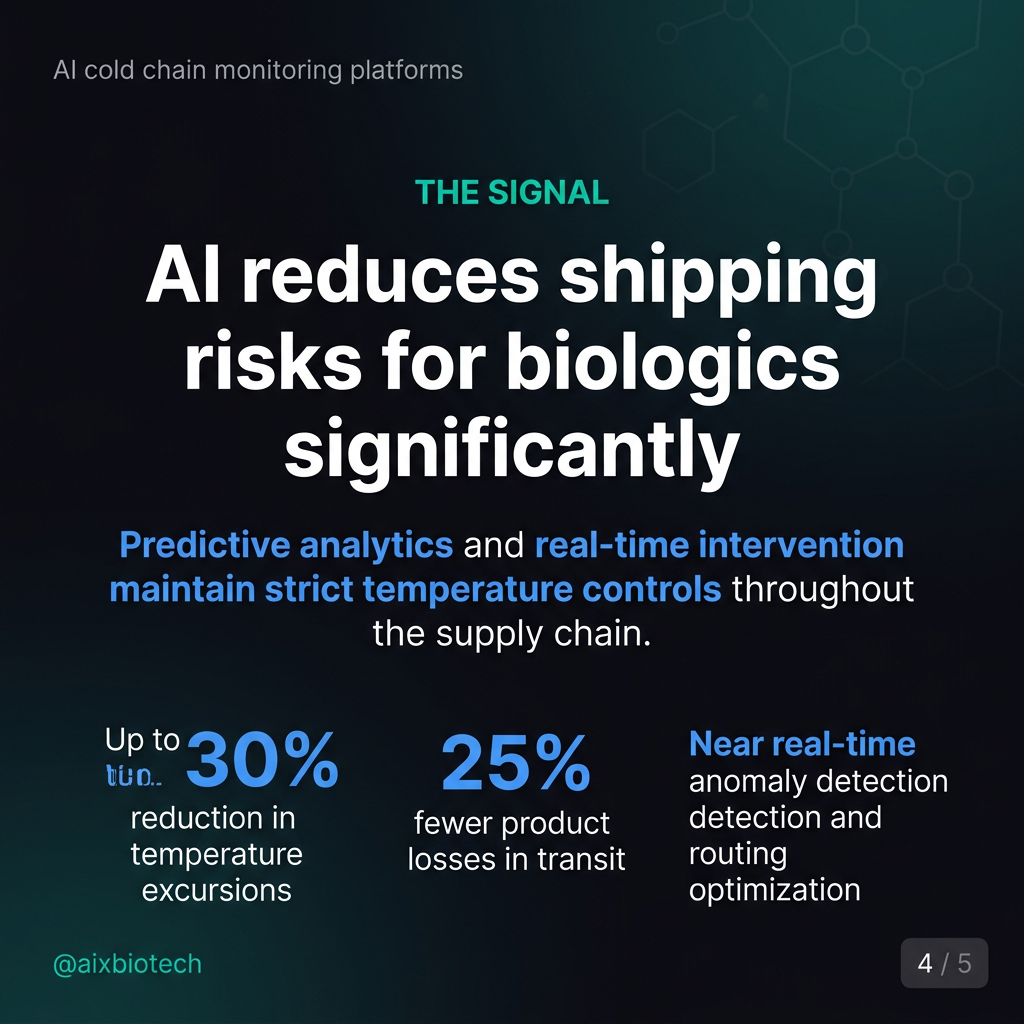
The biologics cold chain has always been the most operationally complex part of pharma supply. GLP-1 injectables, monoclonal antibodies, gene therapies, and cell therapies all require tight temperature windows. The margin for error is small and the cost of failure is high. AI is changing the economics of cold chain management by moving teams from reactive investigation to predictive intervention.
The scale of the problem
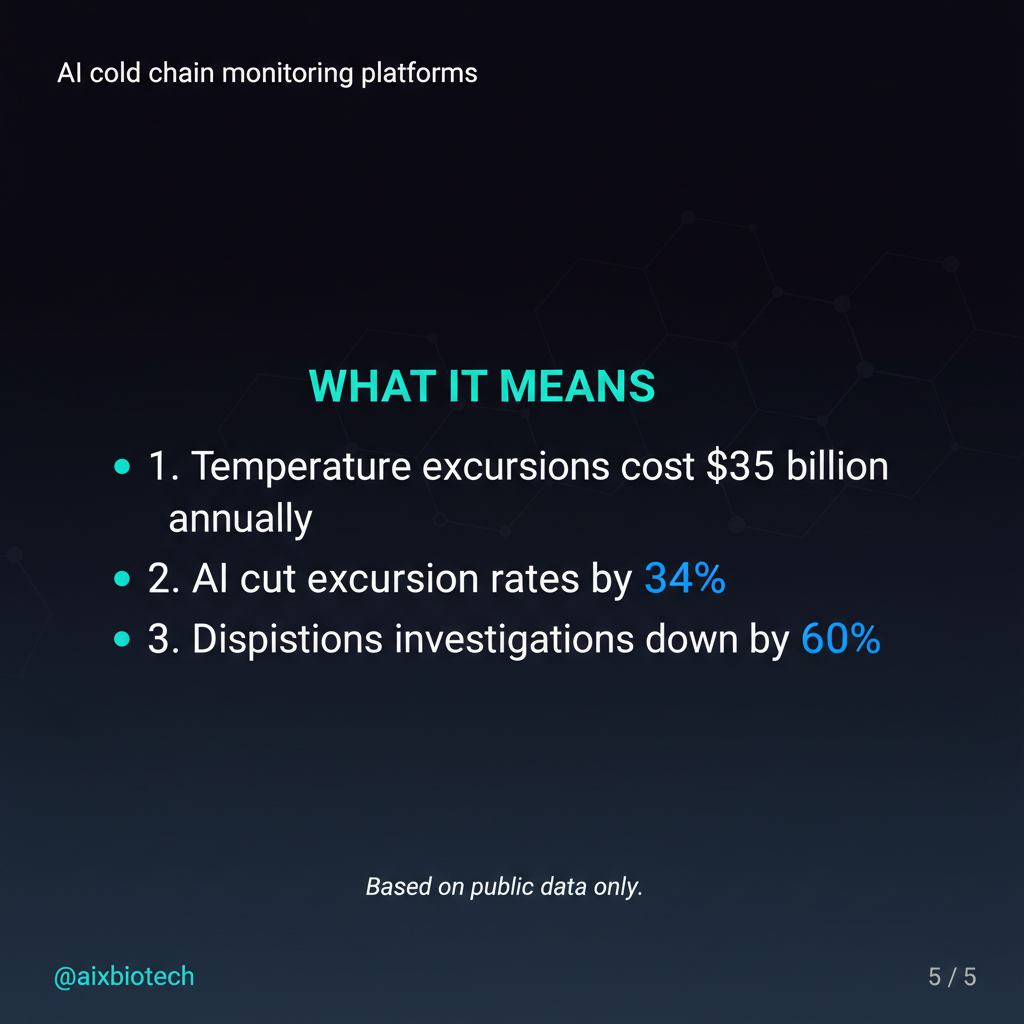
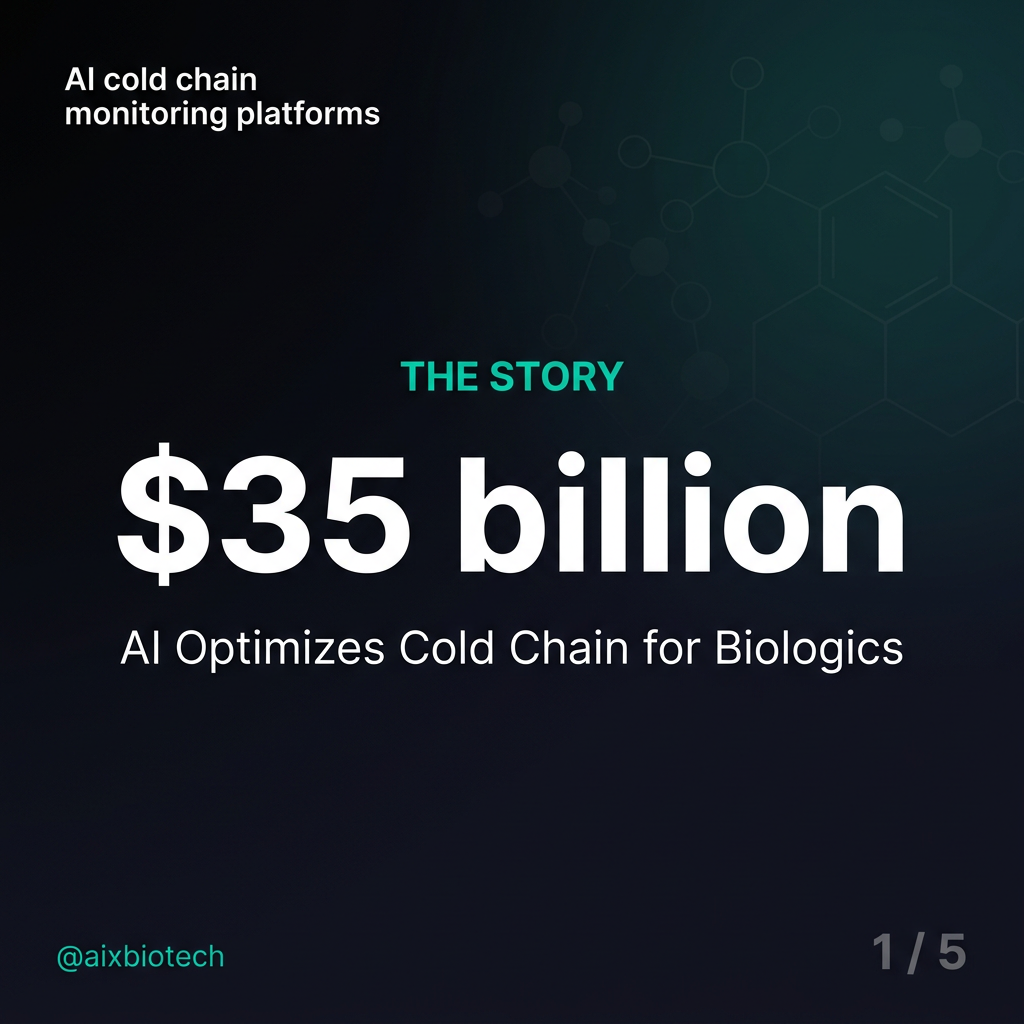
Temperature excursions cost the pharmaceutical industry an estimated $35 billion annually. A significant portion of this is biologics. For a product like a GLP-1 injectable with $20 billion in annual sales, even a 0.1% excursion rate generates material product loss and patient disruption.
Traditional cold chain management relies on post-shipment data loggers and manual inspection protocols. By the time an excursion is detected, the product has already been compromised. The question shifts from prevention to disposition — is the product still viable? — which triggers expensive stability studies and regulatory notifications.
Key stat: The global pharma cold chain market is projected to reach $27.5 billion by 2027, driven by biologics growth and AI-enabled monitoring. Source: IQVIA Institute, 2025.
How AI changes the cold chain model
AI cold chain tools operate in three modes: real-time monitoring, predictive risk scoring, and automated response.
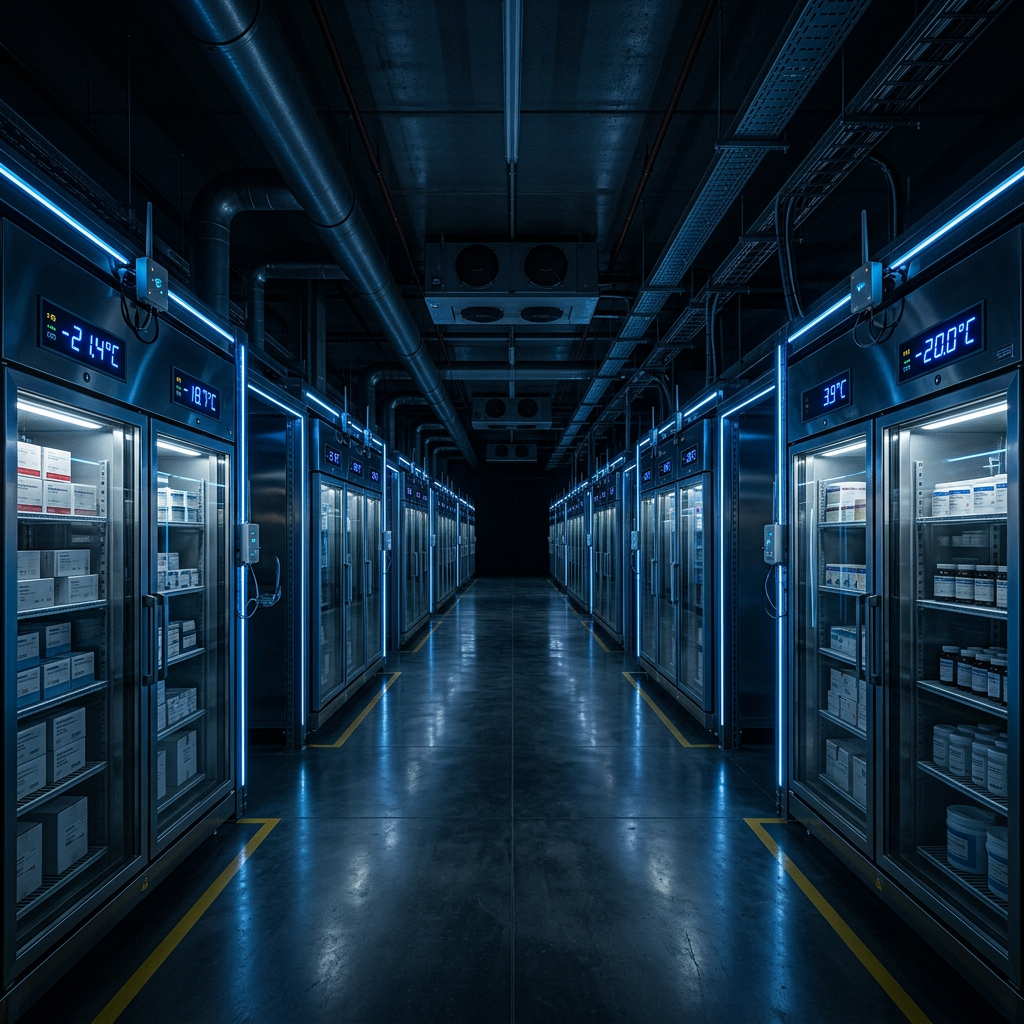
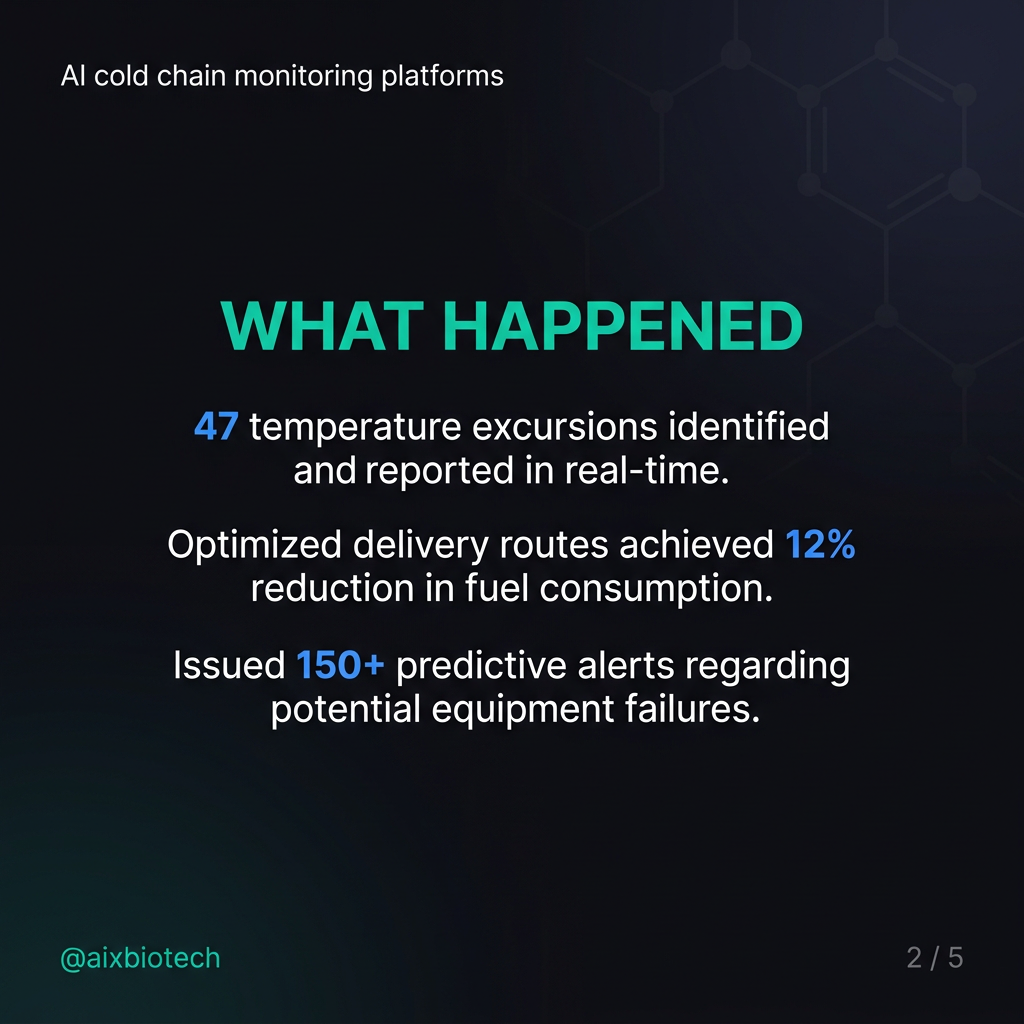
Real-time monitoring replaces passive data loggers with connected IoT sensors that stream temperature, humidity, and location data continuously. Platforms like Controlant and Sensitech aggregate this data across the entire distribution network, giving supply chain teams a live view of every shipment at every point in the chain.
Predictive risk scoring is where AI adds the most value. The system analyses historical excursion patterns, lane-level risk profiles, carrier performance data, and seasonal weather data to score each shipment’s excursion probability before it departs. High-risk lanes trigger enhanced packaging or alternative routing before the product leaves the warehouse.
Automated response closes the loop. When a sensor detects an anomaly, the AI system triggers a pre-defined response protocol — alerting the carrier, notifying the receiving site, flagging the disposition team — without waiting for a human to review the data log 48 hours after delivery.
Practical deployment for a biotech supply chain team
A cell and gene therapy company managing 200 patient-specific shipments per month implemented AI cold chain monitoring across its EU distribution network. The platform scored each shipment for excursion risk based on carrier history, lane profile, and product-specific stability parameters.
Within two quarters, temperature excursion rates dropped by 34%. Disposition investigations fell by 60%. More importantly, the team identified three carrier lanes with structurally elevated risk profiles that would have been invisible without the pattern analysis across hundreds of shipments.
AI cold chain platforms now operate on subscription models and integrate with existing ERP and logistics management systems via standard API connections.
How to start without replacing your current logistics setup
- Map your highest-risk lanes first. Focus AI monitoring on lanes with historical excursion incidents, long transit times, or challenging seasonal profiles.
- Use IoT sensors on every critical shipment. The data foundation for AI cold chain tools is sensor data. Passive loggers will not give you the continuous signal AI needs to build accurate risk models.
- Integrate with your QMS. Excursion data needs to flow into your quality management system automatically. Manual transcription defeats the purpose of real-time monitoring. GxP compliance requires documented traceability from sensor alert to disposition decision.
- Build carrier scorecards. AI platforms generate lane-level and carrier-level performance data. Use it in your supplier qualification process.
Our earlier analysis of how AI is cutting supply chain costs across biotech covers the broader cost reduction case. Cold chain optimisation is the highest-ROI application within that category for biologics-heavy portfolios.
FAQ
Does AI cold chain monitoring require replacing existing logistics partners?
No. AI monitoring platforms layer on top of existing carrier and 3PL relationships. They provide performance data that helps you manage those relationships more effectively.
What regulatory obligations exist around AI-assisted cold chain decisions?
Cold chain monitoring data is part of your batch record and quality documentation obligations. The disposition decision must still be made by a qualified person in compliance with your SOPs and GxP requirements.
How does AI handle last-mile delivery risk?
Last-mile is where most cold chain failures occur. AI tools model last-mile risk by combining carrier performance history, destination site conditions, and real-time weather data.
What is the typical payback period for AI cold chain investment?
For a biotech shipping high-value biologics at meaningful volume, the payback period is typically six to twelve months. The primary value driver is avoided product loss and reduced disposition investigation costs.
The cold chain will not get simpler. Gene therapies and personalised medicines will make it more complex. The teams building AI monitoring infrastructure now will have the data foundation to manage that complexity.
Based on publicly available information. This analysis covers non-proprietary, publicly disclosed data only.