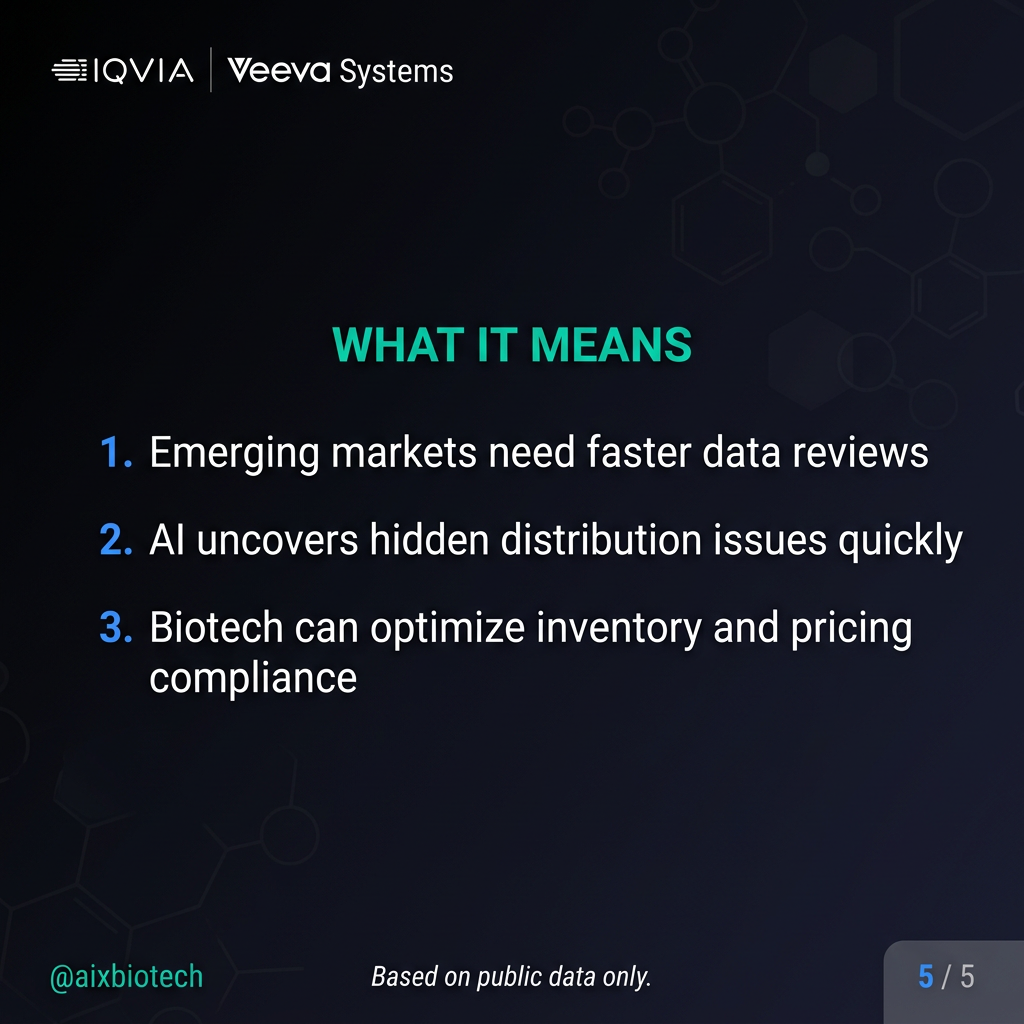

AI distributor performance monitoring in emerging markets: beyond the quarterly review
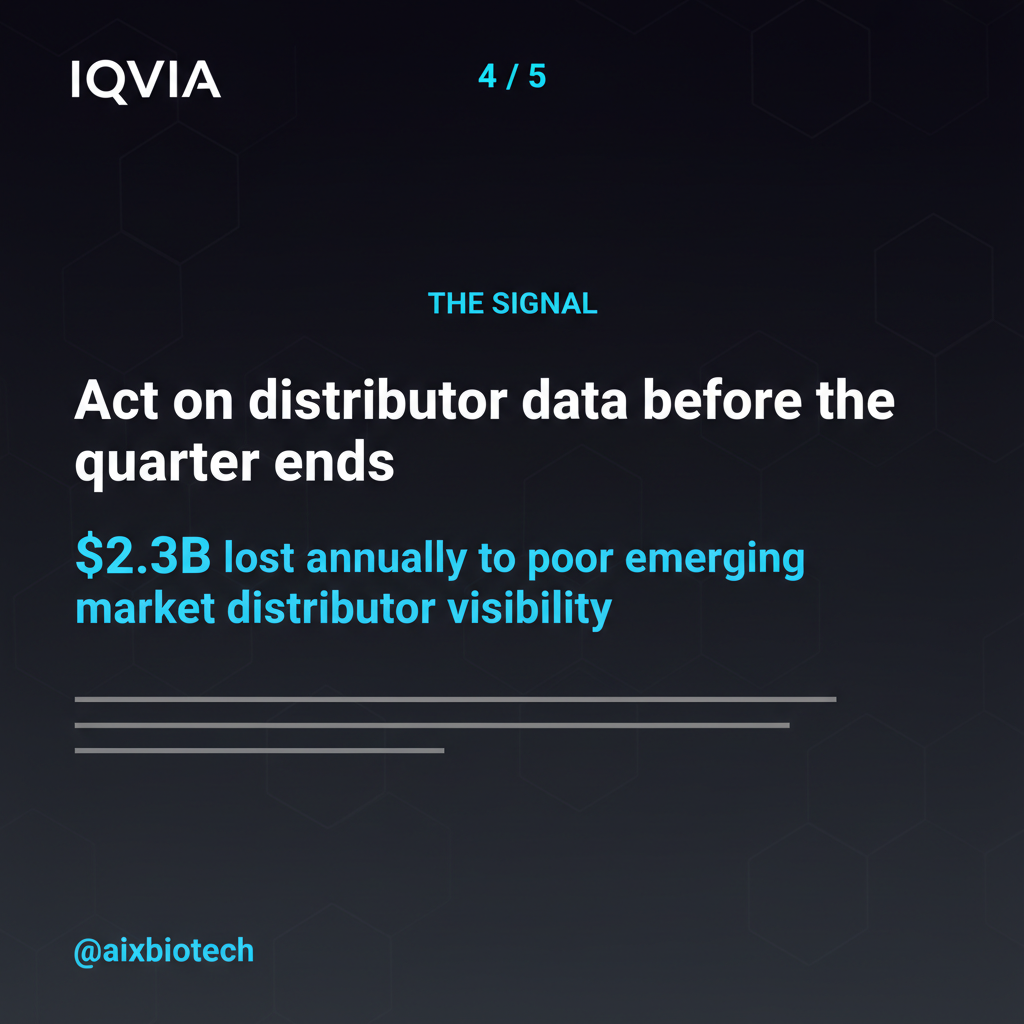
Most biotech companies review distributor performance once a quarter. In markets like the Middle East, Southeast Asia, or Eastern Europe, a lot can go wrong in 90 days.
Inventory builds up in the wrong geography. A distributor drops pricing below the contractual floor to hit a volume bonus. A compliance issue surfaces in a market where your own team has no presence. By the time the quarterly report lands on your desk, the problem has already compounded.
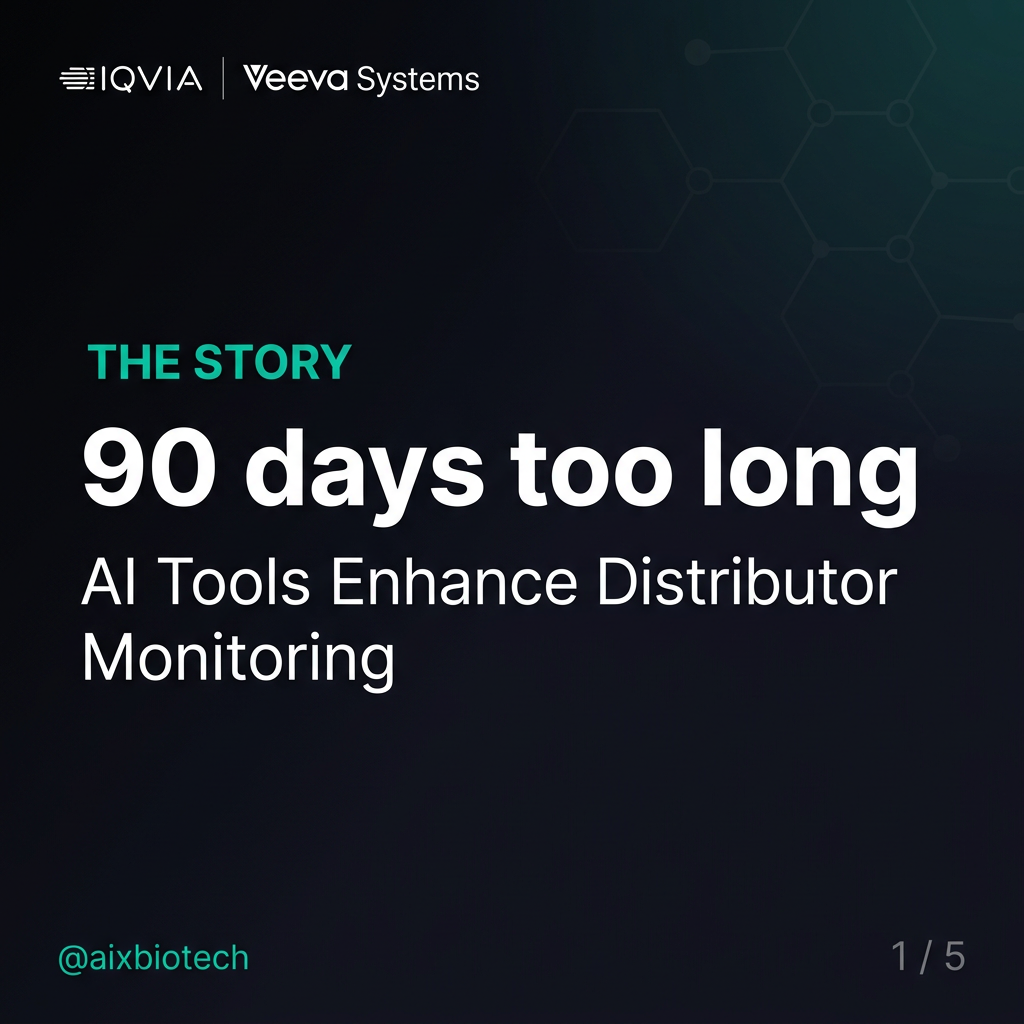
Why the quarterly review model fails in emerging markets
The typical emerging market distribution setup involves multiple third-party partners managing inventory, pricing compliance, and last-mile delivery across geographies where your own commercial team has limited presence. The information gap is structural.
Most biotech companies manage this gap with a combination of sell-in data from distributors, periodic market visits, and third-party audit firms. This approach is expensive, slow, and heavily dependent on distributor self-reporting. It is also systematically blind to soft signals — distributor relationships with competitors, changes in order frequency, shifts in which SKUs are being pushed to which channels.
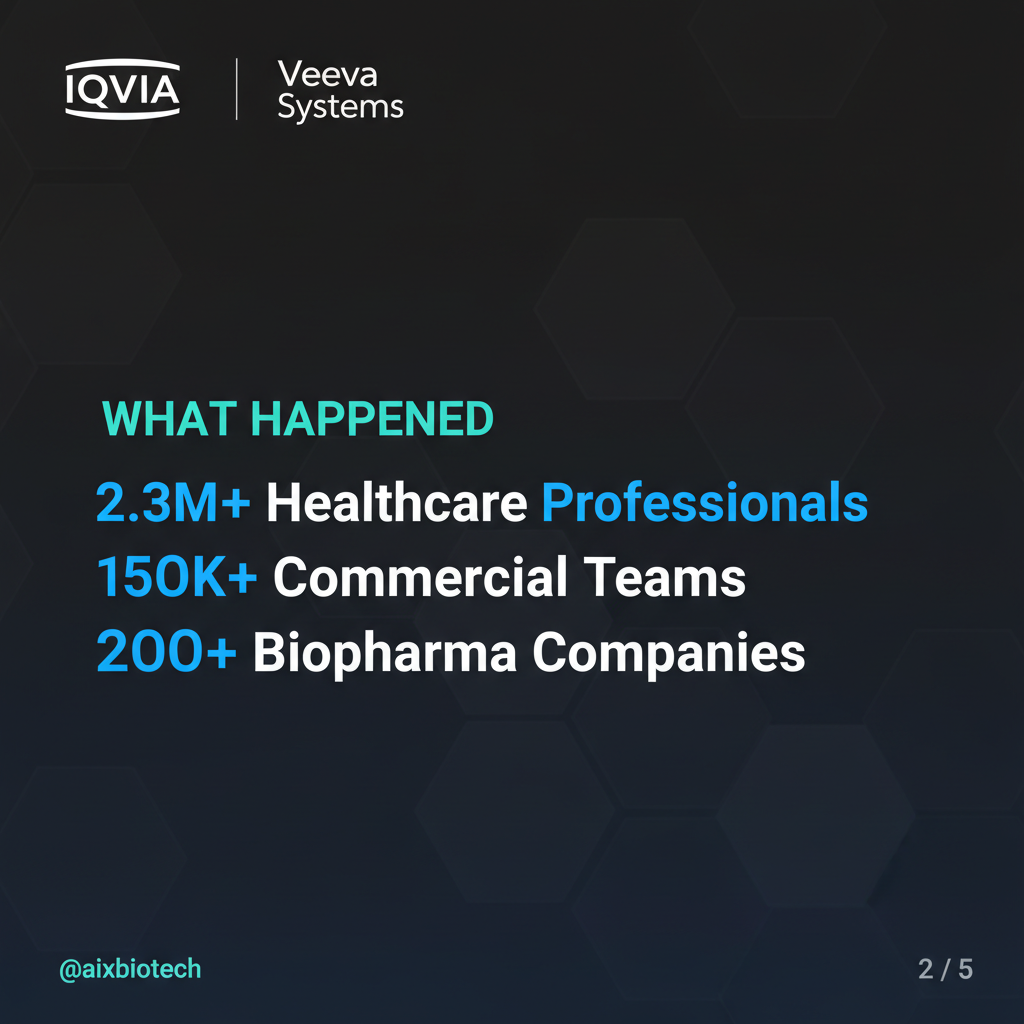
What AI distributor monitoring actually does
AI distributor monitoring tools pull together sell-through data, inventory levels, order frequency, pricing compliance signals, and customer complaint data into a live performance dashboard. Deviations from expected patterns trigger automatic alerts before they become reportable incidents or P&L problems.
The most sophisticated platforms also pull in external signals: competitive activity in the distributor’s territory, market access changes, regulatory updates that affect product positioning. This gives the commercial team a distributor performance picture that is both more current and more contextual than anything a quarterly review can provide.
Key stat: Most commercial teams that connect their distributor data to an AI monitoring layer find three to five systemic performance issues they were previously unaware of within the first 60 days of deployment.
Practical deployment across a multi-country network
The starting point is not a full platform replacement. It is connecting your existing distributor data feeds to an analytics layer that flags anomalies automatically.
Standardise how distributors report sell-through and inventory data. Even if the format varies by market, the AI layer can normalise it. Connect the data feed to an analytics platform. IQVIA’s Orchestrated Customer Engagement and similar tools have modules designed specifically for distributor management in multi-country setups. Define your alert thresholds. What constitutes an anomaly in pricing compliance? What inventory level triggers a replenishment review? These parameters are market-specific and need to be configured by someone who knows the market.
Once this is in place, the quarterly review changes function. Instead of discovering problems, it becomes a forum for reviewing the AI-flagged issues that have already been addressed and discussing strategic priorities for the next quarter.
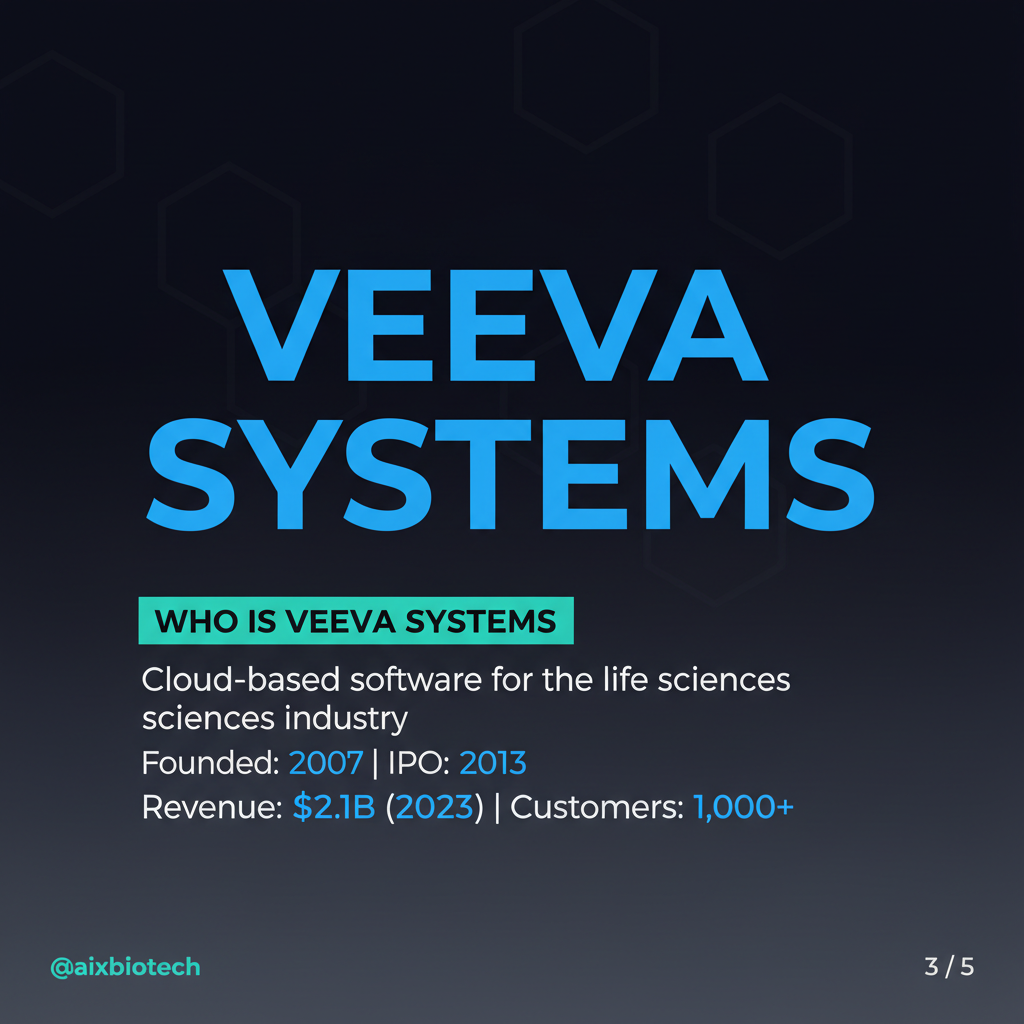
How this connects to compliance obligations
Emerging markets carry elevated third-party compliance risk. Anti-bribery and corruption regulations, including the US Foreign Corrupt Practices Act and the UK Bribery Act, create liability for biotech companies whose distributors engage in improper conduct. AI monitoring that surfaces unusual payment patterns, off-invoice pricing, or anomalous order behaviour gives the compliance team an early warning signal that is documented and auditable. This is non-proprietary, non-patient data — public commercial data only.
Our analysis of how AI closes the $356 billion distributor margin gap in biotech covers the broader margin recovery case. Continuous performance monitoring is one of the highest-leverage tools within that framework.
FAQ
What data do distributors need to provide for AI monitoring to work?
At minimum: sell-through data by SKU and geography, inventory levels at main depots, and order records. Pricing compliance data requires distributors to share invoice-level data, which some will resist. Start with what is available and build from there.
How do you get distributor buy-in for continuous monitoring?
Frame it as a mutual benefit. Distributors that perform well gain faster access to market development funds, better credit terms, and more collaborative planning support. The monitoring system becomes a performance record that rewards good partners, not just a surveillance tool.
Does AI monitoring replace market visits?
No. Market visits provide qualitative intelligence and relationship depth that no data feed can replicate. AI monitoring changes the purpose of market visits. Instead of going to find out what is happening, you go with a briefing on what the data already shows and use the visit to add context and depth.
The information gap in emerging markets is structural. The quarterly review is the symptom of a data problem. AI is the fix.
Based on publicly available information. This analysis covers non-proprietary, publicly disclosed data only.