
AI pricing strategy in APAC and Middle East biotech markets: beyond the EU5 reference price
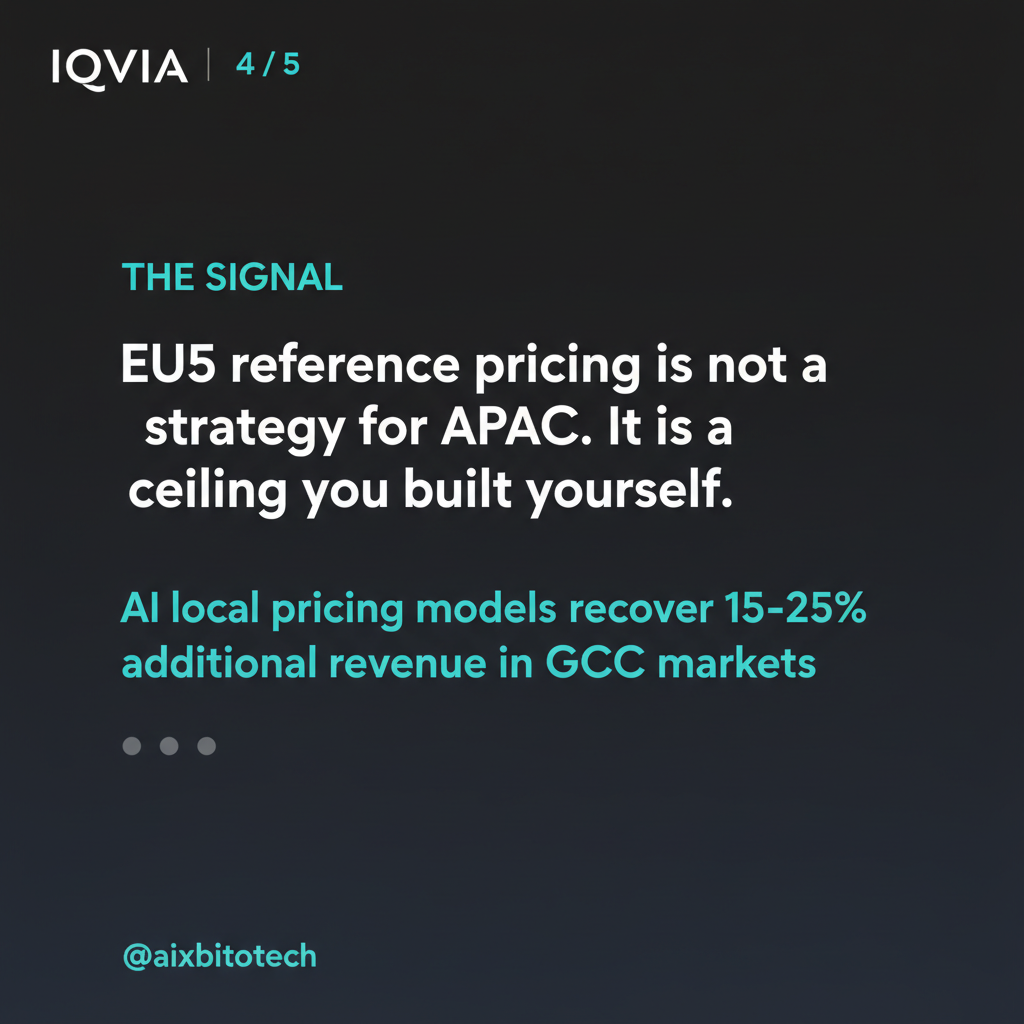
Most biotech companies price their products in APAC and the Middle East by anchoring to the EU5 reference price and adjusting downward. This approach has structural problems that compound across products and markets over a commercial lifecycle.
It ignores local payer dynamics. It underweights competitive reference pricing networks between regional markets. And it consistently leaves money on the table in markets where willingness-to-pay is higher than the EU5 anchor implies.
Why the EU5 anchor fails in these markets
The EU5 reference pricing framework was built for a specific set of markets — Germany, France, Italy, Spain, the UK — with shared characteristics: established HTA processes, public reimbursement systems, and a long history of pharma pricing negotiations. The price that clears these markets is not necessarily the price that optimises value in markets with different payer structures, different disease burdens, and different competitive landscapes.
In the Gulf Cooperation Council, the Saudi Food and Drug Authority and the Gulf Health Council both have their own health technology assessment processes. The GCC has been actively developing its regional HTA framework, and the evidence standards it applies are not simply a derivative of EMA precedent.
In APAC, Japan’s PMDA, Singapore’s Health Sciences Authority, and South Korea’s Health Insurance Review and Assessment Service all operate under different value frameworks. Japan has a sophisticated HTA process that weights clinical data, cost-effectiveness, and comparator performance in ways that can produce significantly different price outcomes from European reference points.
What AI pricing tools do in these markets
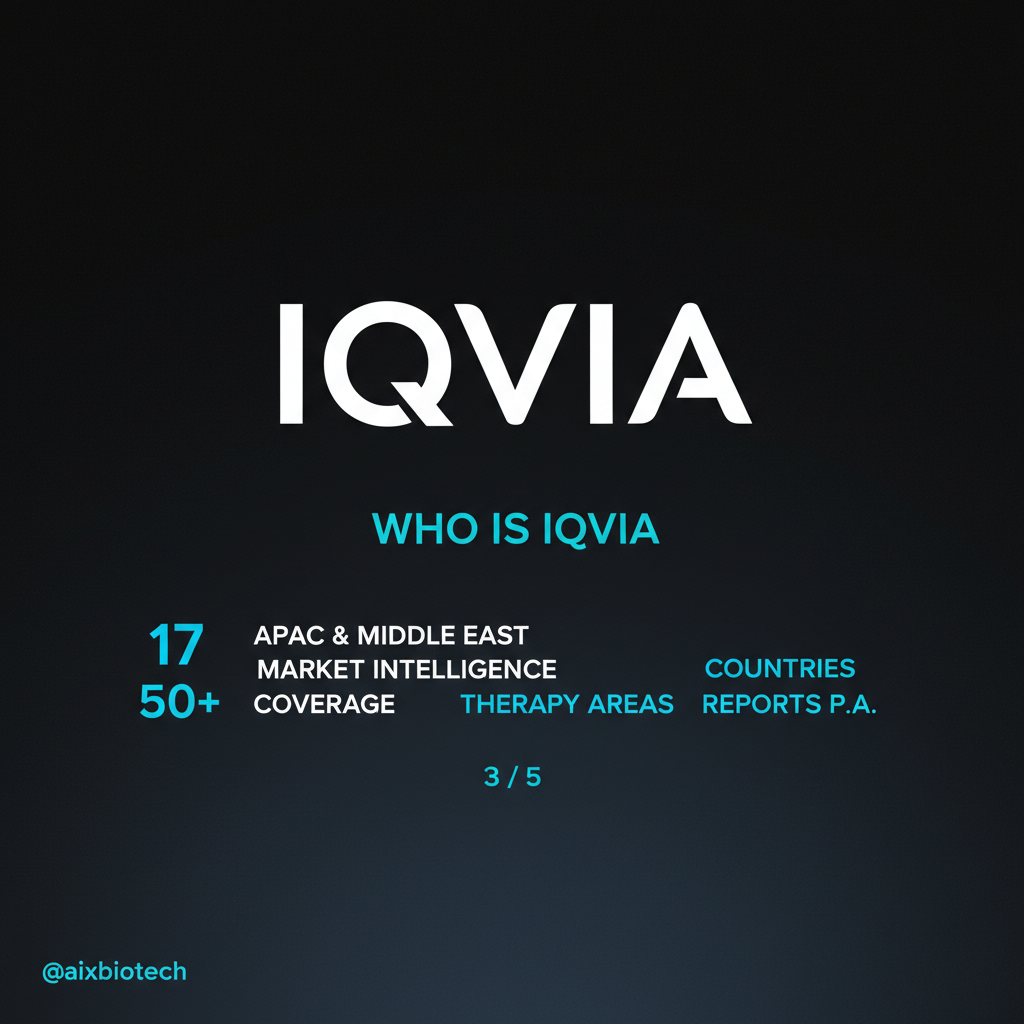
AI pricing tools built for APAC and Middle East market access pull together local reimbursement decision data, competitive price filings, payer communication patterns, disease burden data, and comparator pricing across the specific markets in scope. They build a market-specific price corridor that reflects what the local payer has historically been willing to pay, adjusted for your product’s differentiation profile.
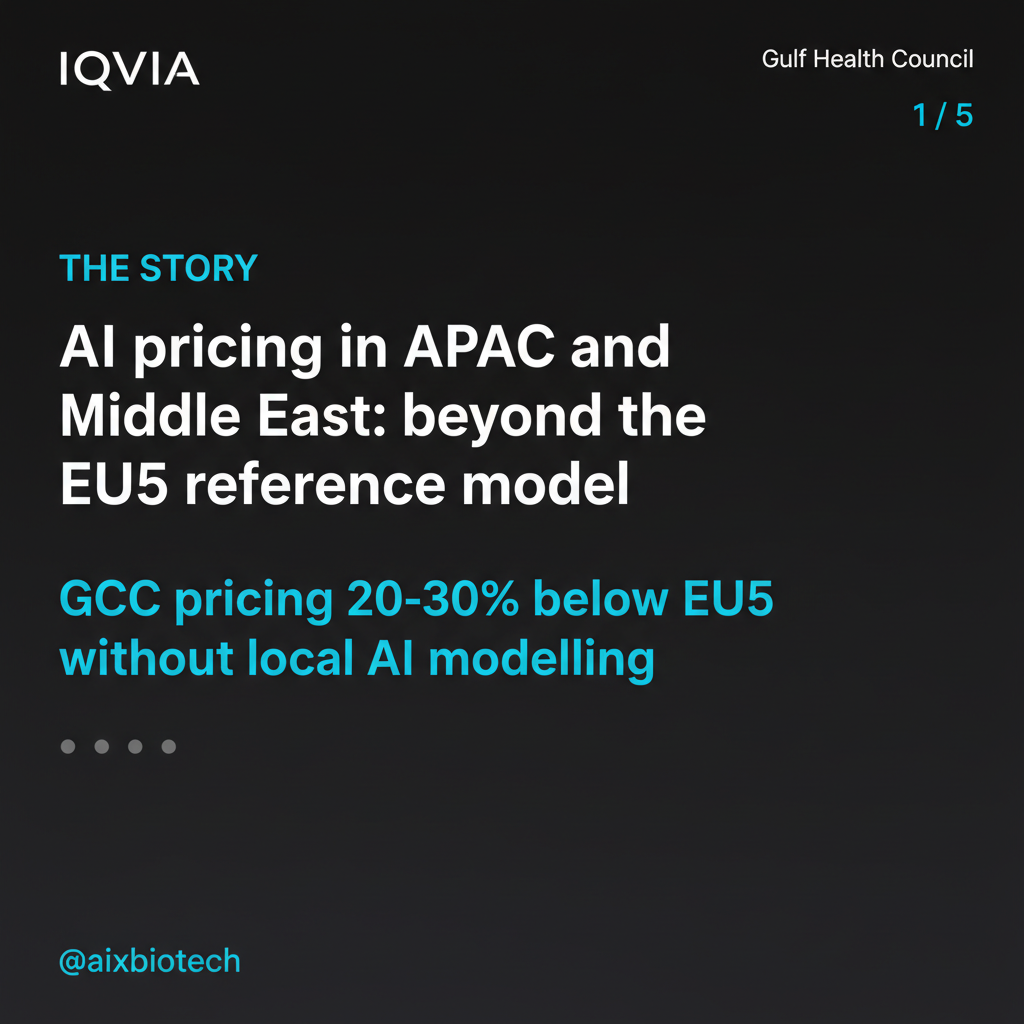
Key stat: A biotech product priced in the Gulf Cooperation Council purely on EU5 reference pricing may be 20 to 30% below what the local payer would have reimbursed, based on analysis of GCC reimbursement precedent patterns for specialty products. Source: REMAP Consulting, 2025 Market Access Trends Report.
The output is not a single recommended price. It is a price corridor with a floor defined by competitive reference pricing risk and a ceiling defined by what the local payer evidence base suggests is achievable.
Practical deployment for a biotech commercial team
The starting point is building a reference pricing map for the markets in scope. Reference pricing networks in APAC and the Middle East are complex. Saudi Arabia references UAE prices in some categories. Singapore references Australia. Japan has a specific international price comparison mechanism that benchmarks against a basket of major markets. AI tools that model these reference pricing networks across your full market portfolio help you sequence launches to manage reference pricing risk.
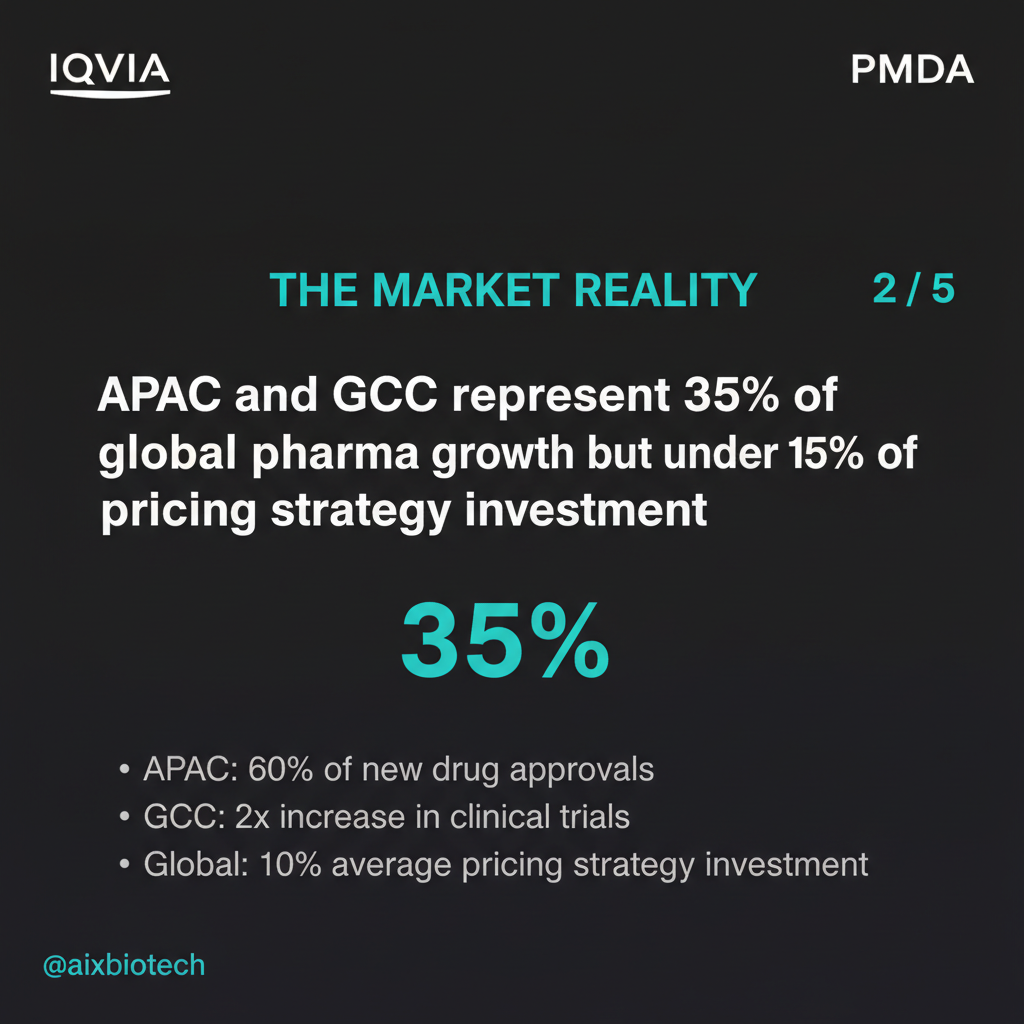
The second step is building local payer intelligence. IQVIA has expanded its payer analytics coverage in Southeast Asia and the Gulf significantly in the past two years. For specific markets like Japan and South Korea, local specialist firms provide deeper intelligence than global platforms.
The third step is using AI to model the commercial value of different launch sequencing scenarios. Launching in Singapore before Australia may affect your Australian reference price. AI scenario modelling gives the market access team a quantified view of these trade-offs before the launch sequence is fixed.
Our analysis of AI price corridor modelling covers the general methodology. The APAC and Middle East application requires market-specific calibration of that methodology but follows the same analytical logic.
FAQ
How do you manage reference pricing risk when launching in multiple APAC markets simultaneously?
You do not manage it simultaneously without AI scenario modelling. The reference pricing interdependencies in APAC are too complex to manage with manual analysis across multiple markets.
Does AI pricing work for products without direct comparators in APAC markets?
Yes. In the absence of direct comparators, AI pricing tools shift to comparator class analysis and disease burden modelling to establish a value anchor. This is particularly relevant for first-in-class products entering APAC markets where the payer has limited HTA precedent for the indication.
How do cultural and political factors affect AI pricing recommendations in the Middle East?
AI pricing tools model economic and evidentiary factors based on public data only. Cultural and political factors — relationship dynamics with government payer bodies, national health strategy priorities — require human intelligence and relationship management that AI does not capture.
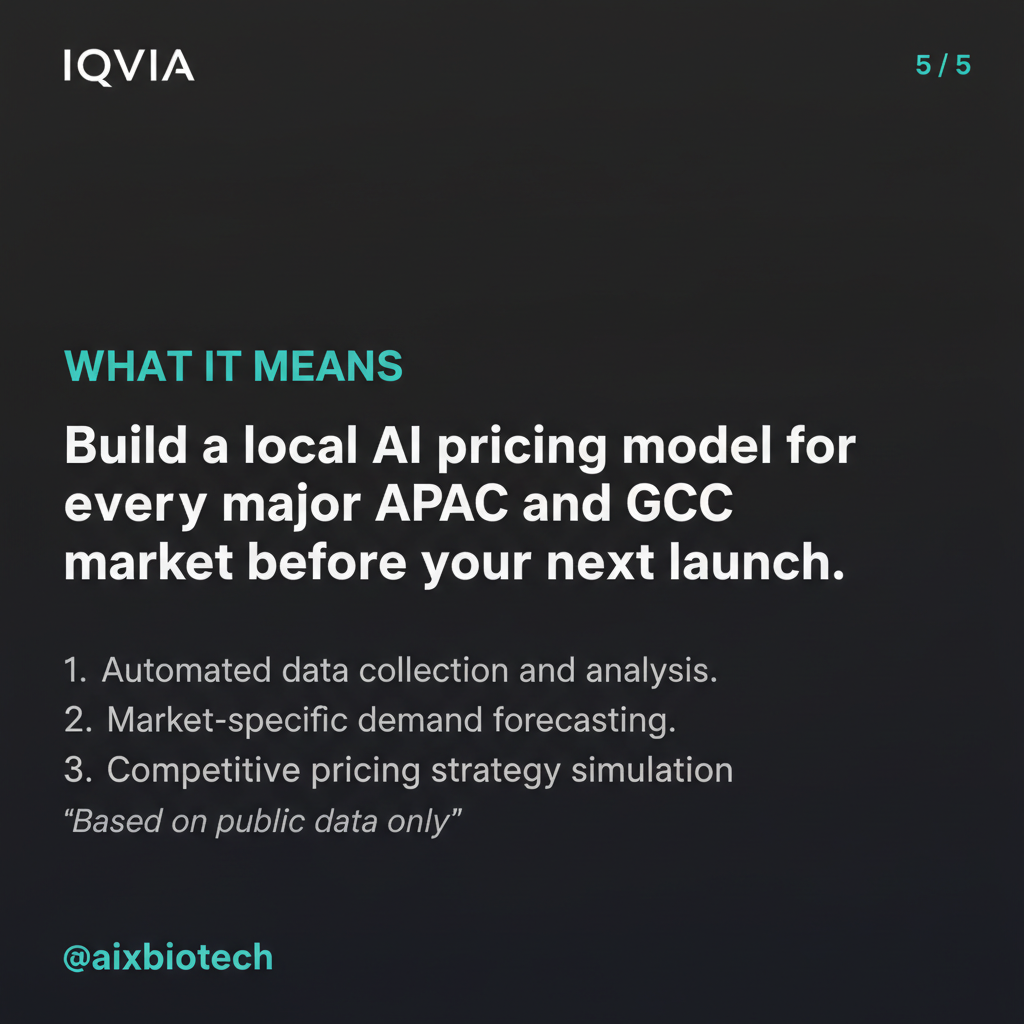
The EU5 reference is a starting point. In APAC and the Middle East, it is often the wrong ending point. AI pricing tools give commercial teams the market-specific intelligence to know the difference.
Based on publicly available information. This analysis covers non-proprietary, publicly disclosed data only.