
AI in biotech deal structuring: how to model partnerships before you sign them
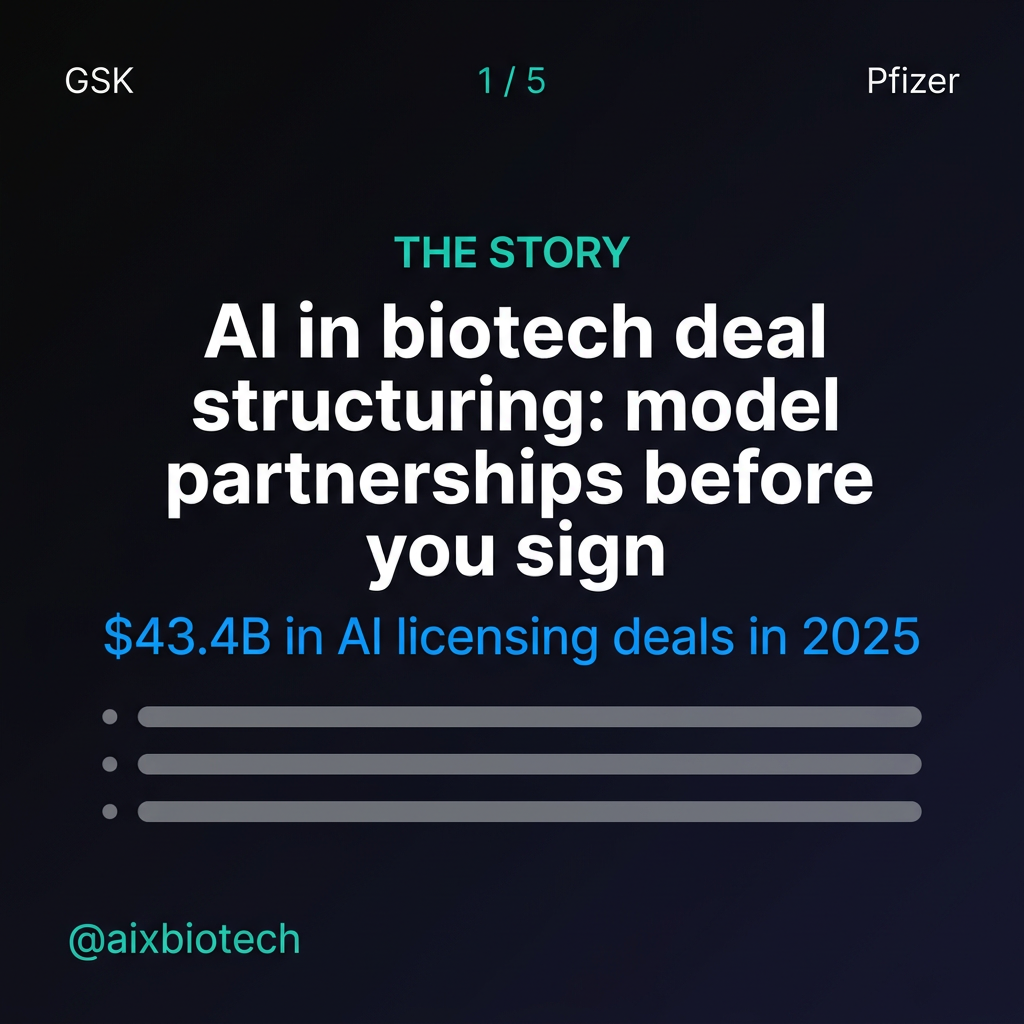
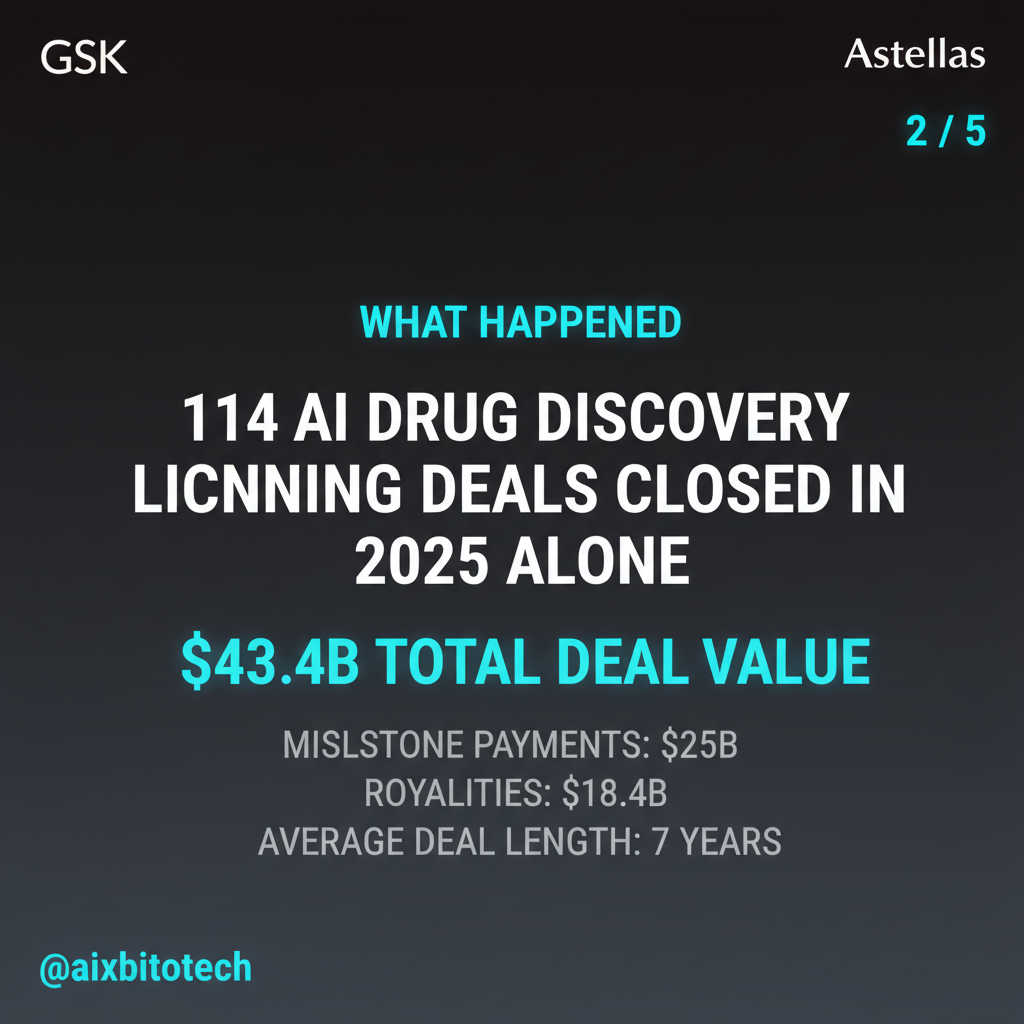
In 2025, AI and machine learning drug discovery licensing deals totalled $43.4 billion across 114 transactions. That is a significant acceleration from prior years, and the deals are getting more structurally complex.
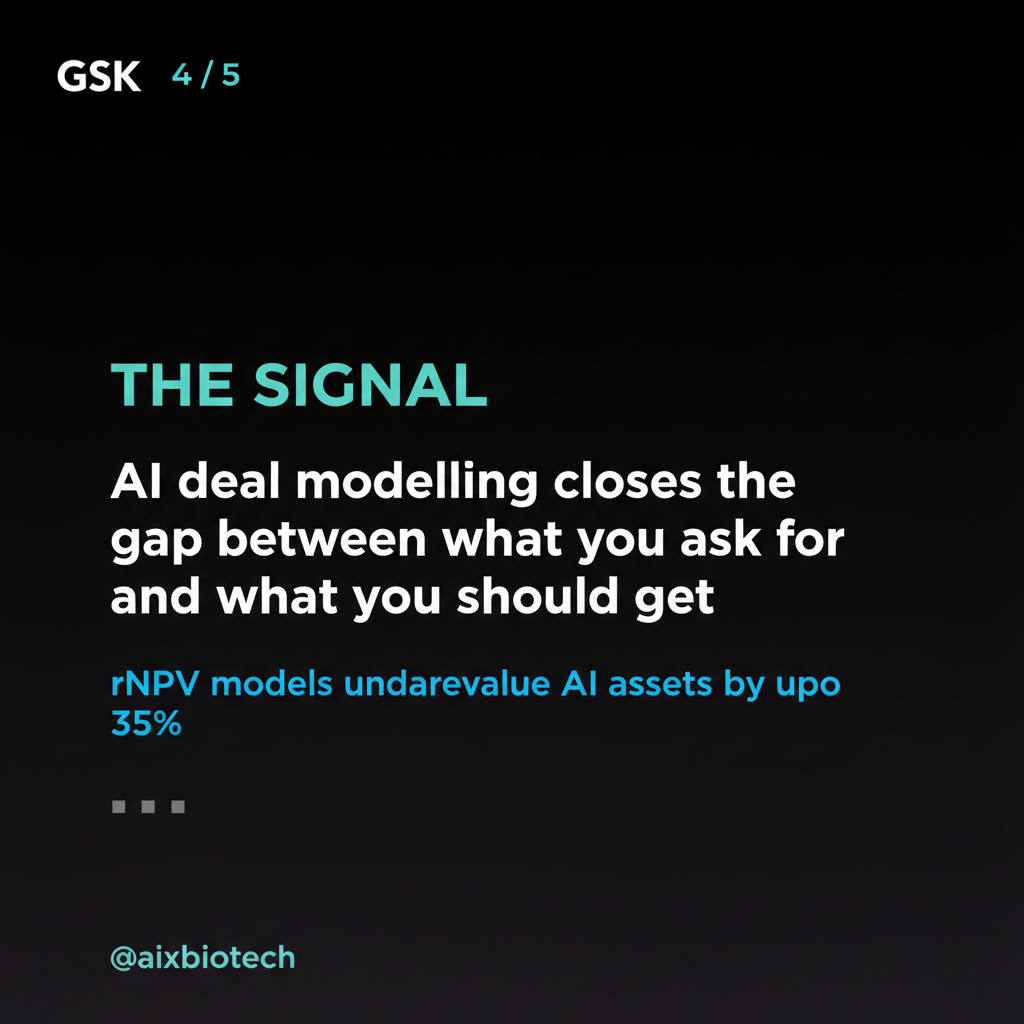
Platform licensing deals, foundation model partnerships, and multi-asset collaboration agreements are replacing simple single-asset out-licensing. These deals require a different analytical framework than the rNPV spreadsheet that has historically anchored biotech BD modelling.
Why the traditional deal modelling approach is no longer sufficient
Traditional deal modelling relies on a small set of public comparable transactions, a clinical probability model, an rNPV spreadsheet, and a set of assumptions about peak sales, royalty rates, and milestone structures. This approach has two structural weaknesses.
First, the comparable transaction dataset is small. Public deal disclosures are incomplete. Most financial terms are not disclosed in full. BD teams are building models on a thin precedent base and filling gaps with consultant benchmarks that may be six to twelve months out of date.
Second, the model is static. It captures the deal structure at signing. It does not stress-test the deal against variable assumptions about development timelines, regulatory outcomes, commercial execution, or competitive entry.
What AI deal structuring tools do differently
AI deal tools pull together a much larger dataset of public deal terms, pipeline valuations, clinical probability data, regulatory precedents, and market access outcomes. They run scenario models across hundreds of variable combinations in the time it takes a human analyst to build one base case.
The analytical output is not a single deal value. It is a range of outcomes under different scenario assumptions, with the specific variables that drive the most value variance identified. This changes the negotiation. Instead of defending a single base case number, the BD team knows which deal terms create the most value leverage and which variables they should most want to contractually de-risk.
Key stat: AI-ML driven licensing and R&D deals totalled $43.4 billion across 114 transactions in 2025, up significantly from prior years. Source: Dealforma AI-ML Drug Discovery and Licensing Review, 2025.
How the market is evolving: platform deals change the framework
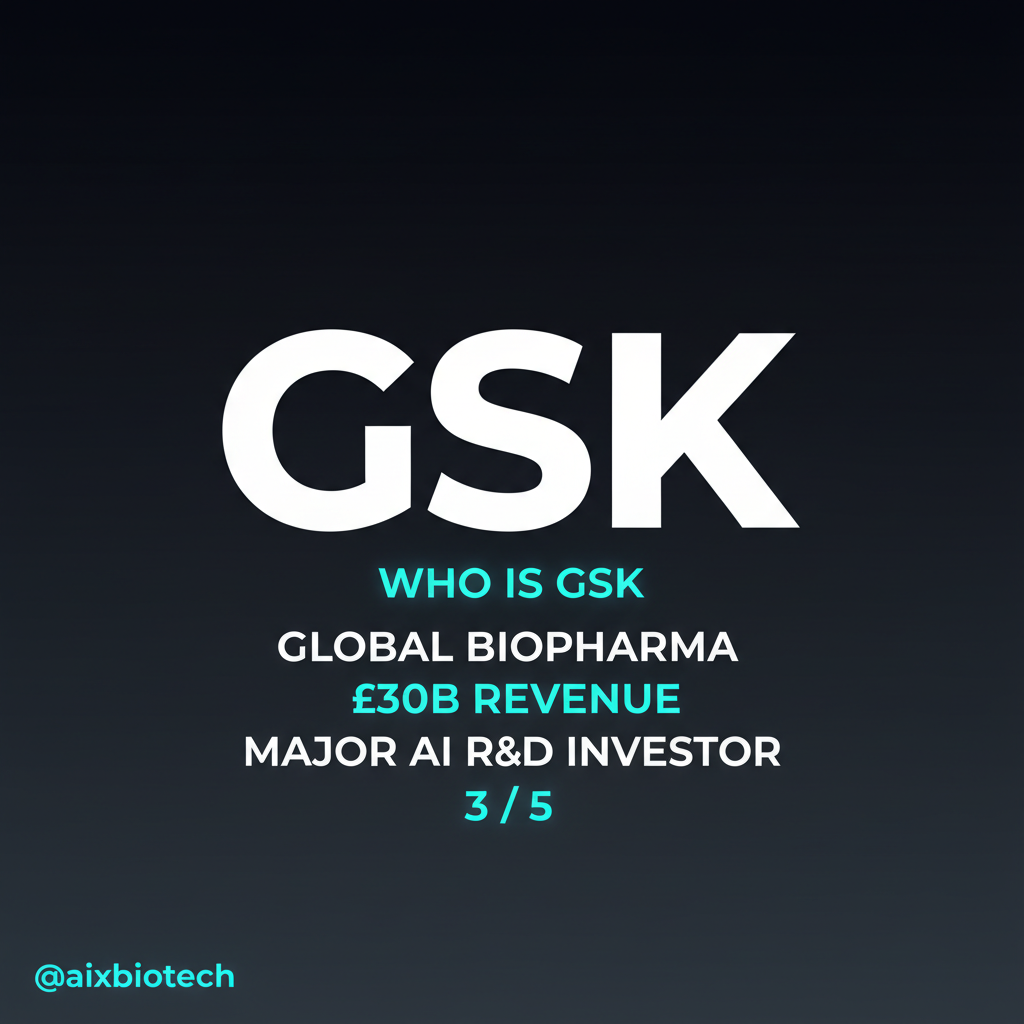
GSK’s partnership with Alfa, described by Alfa as one of the first true foundation model licensing deals in biotech, is a signal of where the market is heading. The deal was not structured around a single asset with specific milestones. It was structured around access to a platform capability and the value it could generate across multiple future programmes.
Platform deals require AI-assisted modelling because the value drivers are too complex for a single rNPV spreadsheet. The relevant questions are: how many programmes could this platform generate? What is the clinical probability distribution across those programmes? What is the market size and competitive landscape for each potential indication? How does platform exclusivity affect partner behaviour over a multi-year agreement?
Practical tools for biotech BD teams
Dealforma provides the most comprehensive public deal terms database available, covering licensing, M&A, and collaboration deals across the life sciences sector. It is the benchmark data source for comparable transaction analysis.
For early-stage deal valuation, Clarivate Cortellis provides rNPV modelling tools with integrated clinical probability and market size data. The AI layer allows faster iteration across scenario assumptions.
Our analysis of AI biotech valuation modelling covers the asset valuation dimension that underpins deal structuring. Deal structure and asset valuation should be modelled together, not in sequence.
FAQ
Does AI deal modelling replace the BD advisor or investment bank?
No. AI provides analytical depth and scenario coverage. It does not replace the relationship intelligence, negotiation experience, and market access that a seasoned BD advisor brings.
How do you handle confidential deal terms in AI modelling tools?
You do not put confidential deal terms into external AI tools. AI deal modelling uses publicly available comparable transaction data as the input. Your internal deal-specific assumptions remain in your internal models. This is a standard data governance discipline for protecting proprietary and trade secret information.
How current is the comparable deal data in AI tools?
The best platforms update continuously from public deal announcement databases. There is typically a lag of two to four weeks from deal announcement to database entry.
The BD teams that will win the next cycle of platform partnerships are the ones that can stress-test deal structures faster and with more variable coverage than their counterparties. AI is the most efficient way to build that capability.
Based on publicly available information. This analysis covers non-proprietary, publicly disclosed data only.