BioNTech Is Using AI to Build Personalised Cancer Vaccines. Here Is What Biotech Executives Need to Know.
Pancreatic cancer kills over 95% of patients within five years of diagnosis. Surgery, chemotherapy, and radiation have barely moved that number in decades. But in February 2025, a small Phase 1 trial published in Nature showed something different. Patients who received an AI-designed mRNA neoantigen vaccine had T cell responses that were still detectable three years after a single course of treatment. That is not a cure. But it is a signal that something structurally new is happening in oncology.
What Is Actually Happening
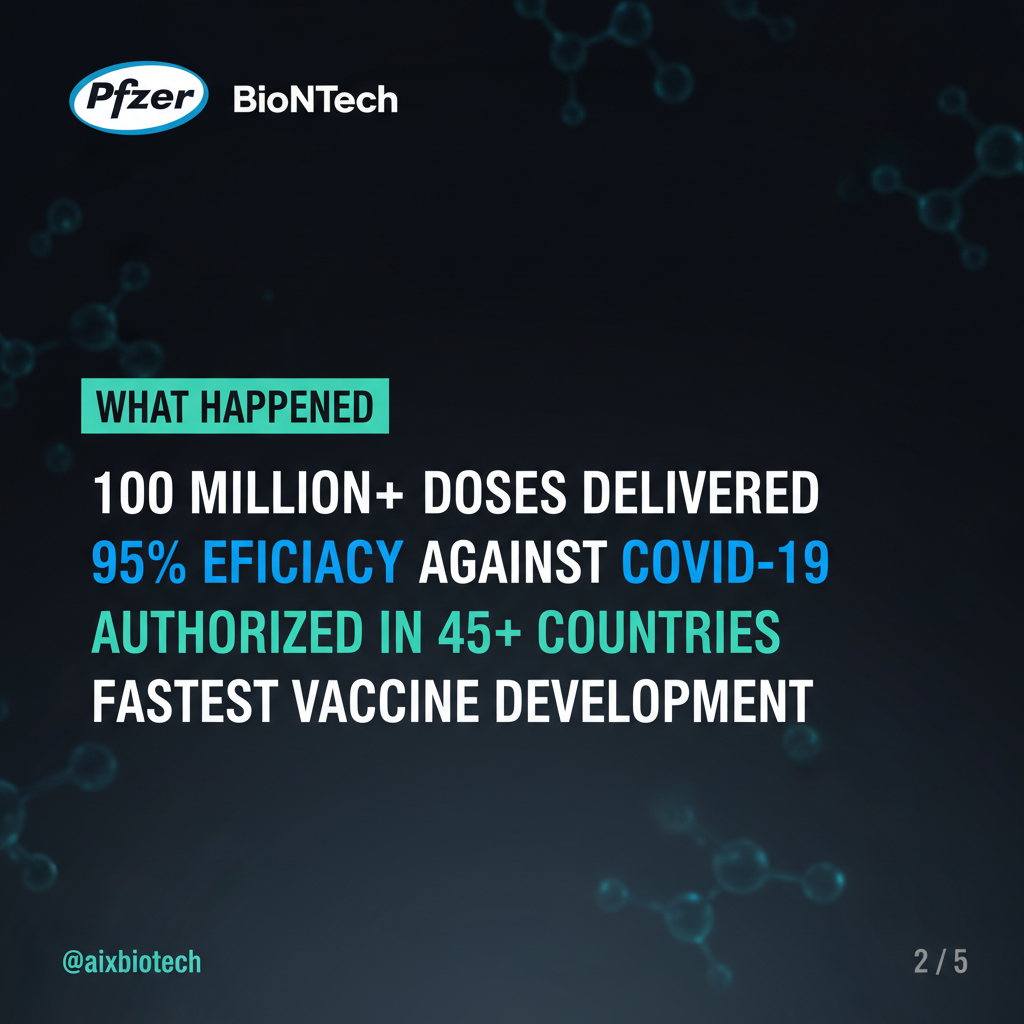
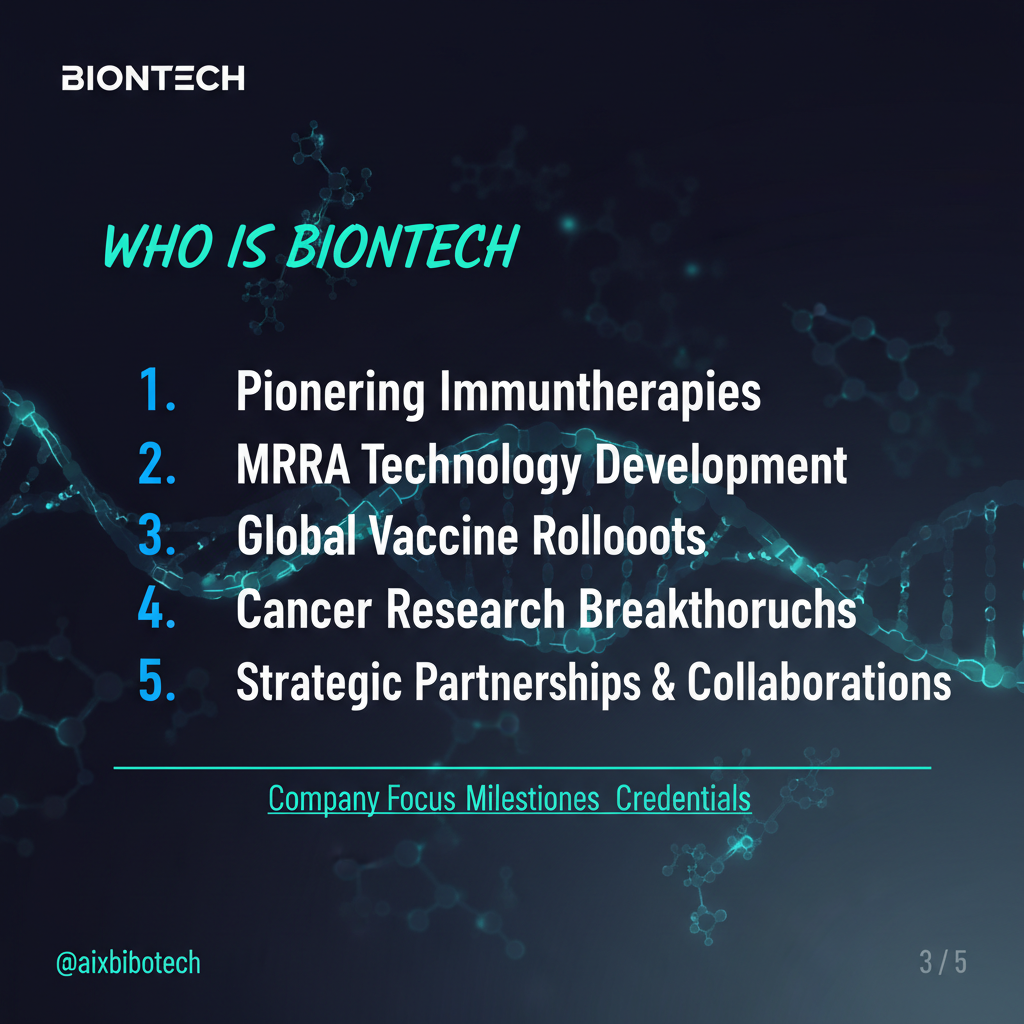
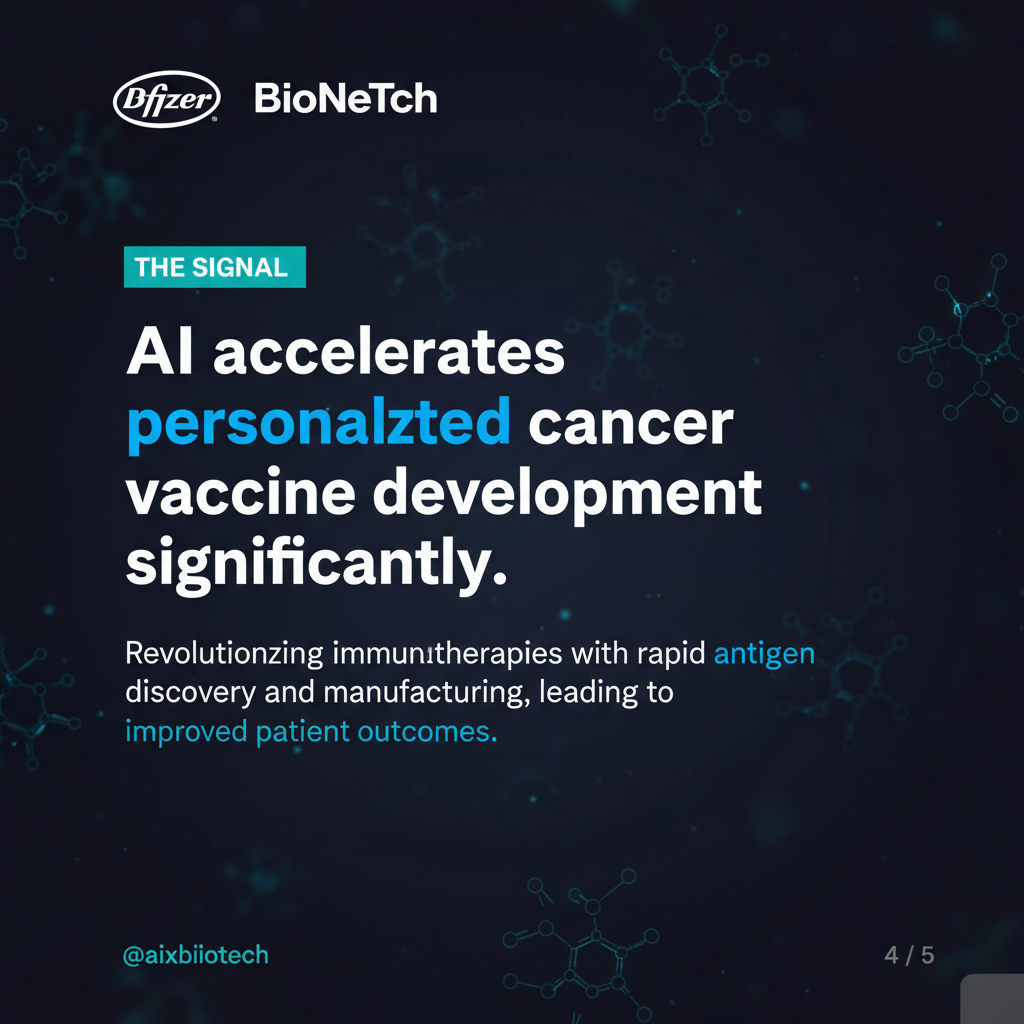
BioNTech’s personalised cancer vaccine programme, centred on a candidate called autogene cevumeran, uses AI and machine learning to identify neoantigens. Neoantigens are protein fragments unique to an individual patient’s tumour. They do not appear in healthy tissue. That specificity is what makes them a compelling target for immunotherapy.
The AI system analyses sequencing data from a patient’s tumour biopsy, identifies the mutations most likely to generate an immune response, and designs a personalised mRNA vaccine. The entire process takes approximately six weeks. That timeline has been shrinking as sequencing and prediction algorithms improve.
In the February 2025 Nature Medicine study, autogene cevumeran was administered alongside atezolizumab and chemotherapy in pancreatic cancer patients after surgery. Eight out of sixteen patients showed vaccine-induced neoantigen-specific T cells measurable up to three years post-treatment (BioNTech, 2025). In a disease with near-zero long-term survival rates, that immune durability is notable.
BioNTech outlined seven major oncology readouts planned for 2026 at the JP Morgan Healthcare Conference in January 2026. The autogene cevumeran programme across multiple tumour types is central to that roadmap.
Why This Matters for Biotech Executives and Commercial Teams
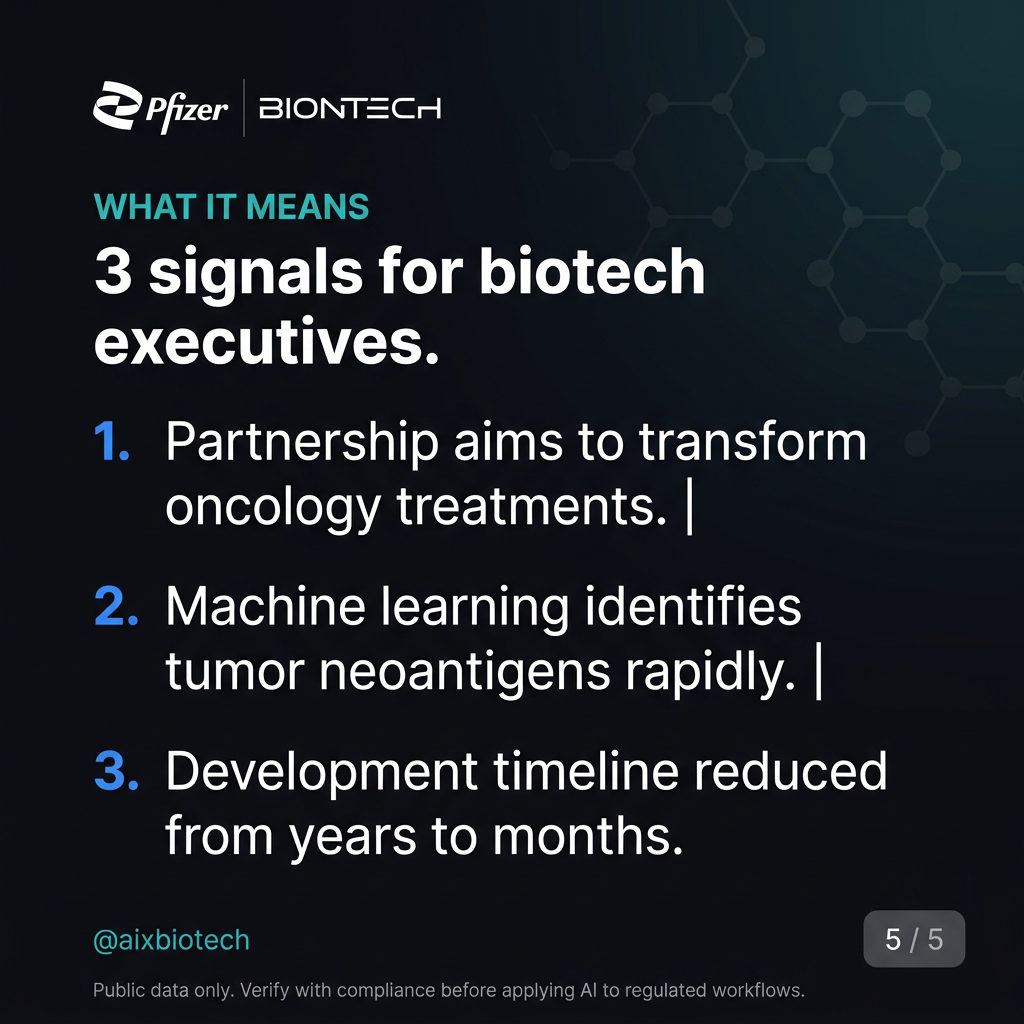
- Manufacturing complexity is the commercial bottleneck. Personalised mRNA vaccines require individualised production for every patient. Scaling this commercially means solving a manufacturing problem that does not exist anywhere else in biopharma. Cold chain, batch release timelines, and QC frameworks will all need rethinking.
- AI is doing the work that was previously impossible. Manual neoantigen identification was too slow and too inconsistent to be commercially viable. Machine learning models now do this in hours. The AI layer is not a feature. It is what makes the product category possible at scale.
- Payer and reimbursement models do not exist yet for this. Personalised oncology therapies with individualised production costs sit outside every existing reimbursement framework. Biotech commercial and market access teams need to start building the health economics case now.
- The window for partnerships is open. BioNTech has collaboration agreements with Roche, Bristol Myers Squibb, and others. Biotech companies with complementary capabilities in sequencing, delivery systems, or manufacturing automation have a clear entry point.
- Regulatory pathways are evolving in real time. FDA accelerated approval and breakthrough therapy designation have both been applied to personalised cancer medicine candidates. Regulatory teams need to track how these pathways apply to AI-designed products specifically.
Real-World Application
Consider a mid-size oncology biotech preparing a commercial launch for a standard solid tumour indication. Personalised vaccine programmes force commercial strategy questions that did not exist two years ago.
How do you position a fixed product against a personalised competitor? How does your field force talk to oncologists now asking about neoantigen sequencing in treatment planning? If your pipeline includes immunotherapy or combination therapy candidates, what is your strategy for AI-assisted patient selection?
These are not hypothetical questions for 2030. They are strategy questions for commercial and medical affairs teams right now.
For context on how AI is already reshaping other parts of commercial operations, see how AI is being applied to the 56 billion distributor margin gap and what recent acquisition signals mean for AI strategy in biotech.
How to Use This as a Biotech Executive
- Track the autogene cevumeran readouts in 2026. BioNTech has flagged seven oncology studies reporting this year. Build them into your competitive intelligence calendar.
- Map your manufacturing capability gap now. If personalised mRNA production becomes commercially relevant in your tumour area, your existing CMO relationships may not be fit for purpose. Run the gap analysis before you need it.
- Start the payer conversation early. Work with your market access team to model what a cost-per-patient argument looks like for an individualised therapy.
- Understand AI data safety here. Neoantigen identification requires patient tumour sequencing data. That is protected health information under GDPR and HIPAA without exception. Any AI tool touching that data pipeline requires full IT and legal clearance, validated systems under 21 CFR Part 11, and IRB oversight.
- Build internal literacy on AI-assisted target identification. Your R&D and clinical teams need to understand how machine learning models select neoantigens and where errors occur. This is a core scientific literacy requirement in oncology.
Key Takeaway
AI-designed personalised cancer vaccines are in clinical trials now, with three-year durability data published in peer-reviewed journals. The commercial, manufacturing, regulatory, and market access questions they raise are landing on biotech executives’ desks today. The teams that build their understanding now will move faster when the data matures.
Frequently Asked Questions
What is a neoantigen and why does it matter for cancer vaccines?
A neoantigen is a protein fragment that appears on cancer cells due to tumour-specific mutations. AI models scan a patient’s tumour genome, identify the mutations most likely to produce immunogenic neoantigens, and use that data to design a personalised mRNA vaccine.
Is autogene cevumeran approved?
No. As of April 2026, autogene cevumeran is in clinical trials across multiple tumour types. Phase 2 data across multiple indications is expected in 2026.
What AI tools are used in neoantigen vaccine development?
Machine learning models trained on large genomic datasets predict which mutations will produce immunogenic neoantigens. BioNTech’s AI subsidiary InstaDeep plays a central role in the computational biology stack.
What does this mean for biotech companies not in oncology?
The AI-driven personalised medicine model will migrate to other disease areas over time. The manufacturing, regulatory, and market access challenges being solved today in cancer vaccines will become relevant across rare disease, autoimmune, and infectious disease programmes.
Based on publicly available information. This analysis covers non-proprietary, publicly disclosed data only. Clinical trial data referenced from peer-reviewed publications and BioNTech investor communications.