
“Dead as a dodo” might soon need a rewrite.
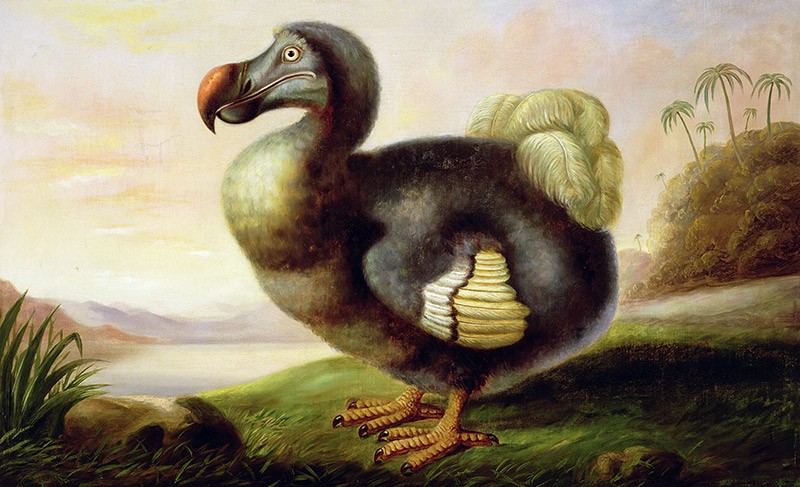
Biotech startup Colossal says it’s one step closer to reviving the iconic bird — successfully growing pigeon primordial cells in the lab. The team’s plan? Gene-edit chickens to hatch dodo look-alikes using cells from the Nicobar pigeon, its closest living cousin. If the science holds up, the dodo could waddle back into the world in as little as 5–7 years.
A first
For the first time, scientists have successfully cultured pigeon primordial germ cells — a breakthrough that could bring the dodo one step closer to returning from extinction. Colossal Biosciences, the biotech company behind the effort, announced it has grown these reproductive precursor cells in the lab, paving the way for its ambitious dodo de-extinction project.
Why it matters: Unlike mammals, birds are notoriously difficult to clone or regenerate. Being able to culture and manipulate germ cells is a critical milestone — it allows scientists to insert modified cells into surrogate embryos that can carry and develop altered offspring.
Colossal’s plan starts with the Nicobar pigeon, the dodo’s closest living relative. The company aims to gene-edit those cells to resemble the dodo’s genome, then implant them into gene-edited chickens engineered to act as surrogate mothers.
If successful, Colossal predicts we could see dodo-like birds within the next five to seven years.
Skeptics, however, question whether such birds would truly mirror the biology or behavior of their extinct ancestors — and whether recreating a lost species can restore an ecosystem that has long since moved on.
Still, the milestone marks one of the clearest steps yet toward avian de-extinction, moving the idea from science fiction toward scientific reality.
Why this matters: Unlike mammals, birds are notoriously difficult to clone or regenerate. The ability to grow PGCs is a critical enabling step—it’s what allows insertion into surrogate embryos or manipulated hosts.
Colossal’s approach:
- Start with cells from the Nicobar pigeon, the dodo’s closest extant relative.
- Use gene editing to shape those cells into a dodo-like genome.
- Implant them into gene-edited chickens, engineered to act as surrogate mothers, so the resulting offspring develop with dodo-like traits.
Colossal estimates that if all goes well, we could see dodo-like birds in 5 to 7 years.
But major challenges remain. Critics raise questions about whether these engineered birds will truly replicate the biology, behavior, and ecological role of extinct dodos. The company will also need to overcome issues of genetic diversity, habitat suitability (especially in Mauritius), and regulatory or ethical hurdles.
Still, this is among the most tangible milestones yet in avian de-extinction science—a proof that the idea is inching closer to biological reality rather than pure speculation.