
Most biotech supply chains still run on spreadsheets and guesswork. That is where margins go to die.
The numbers are in
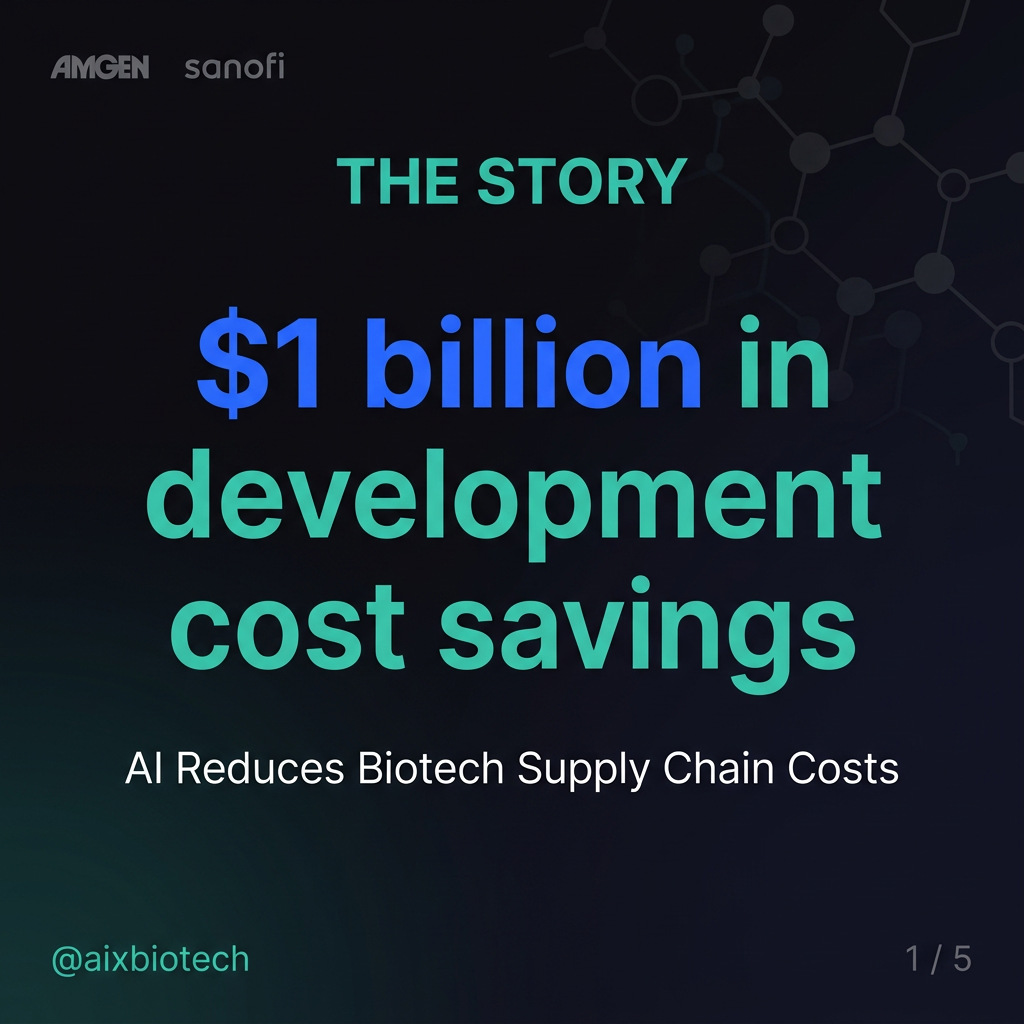
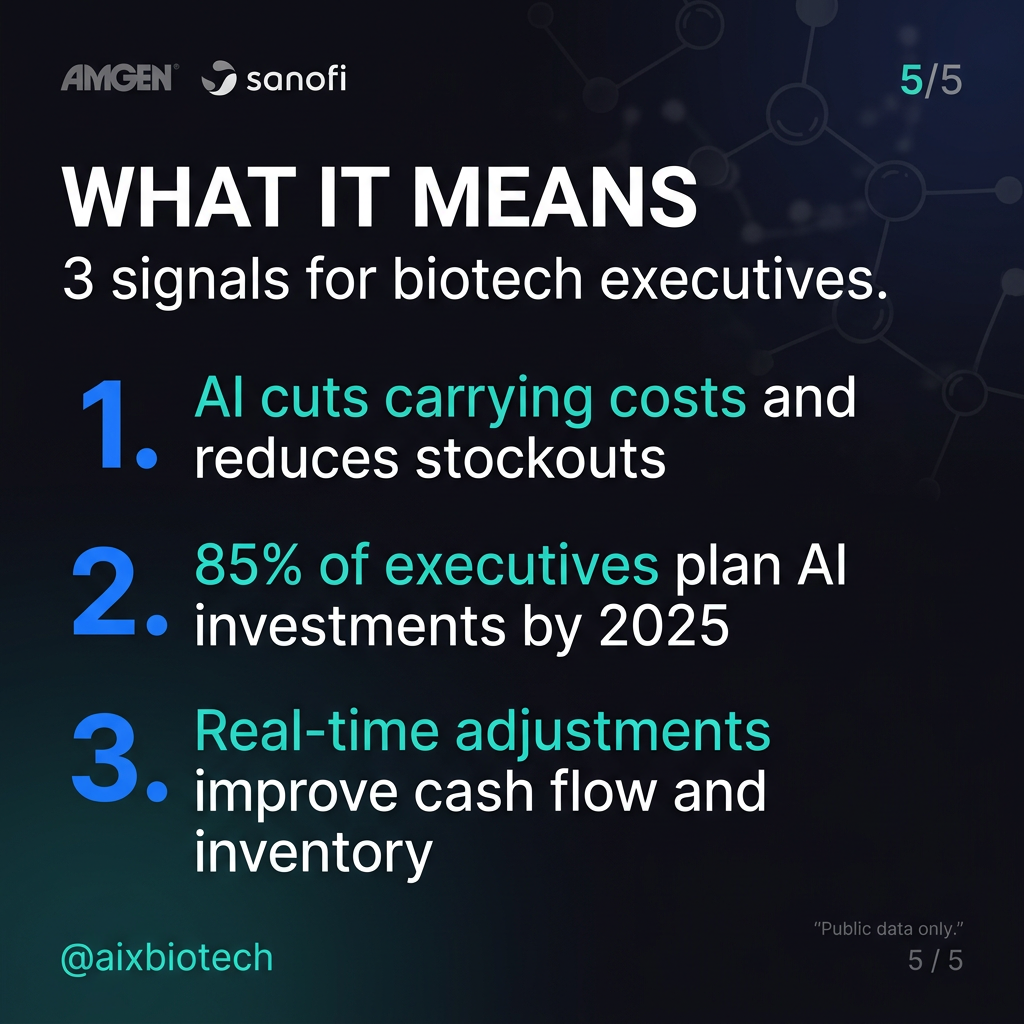
85% of biopharma executives are investing in AI supply chain tools in 2025. One top-10 pharma company projects saving $1 billion in development costs over five years using AI-driven optimisation. These are not pilots. These are production systems delivering measurable results.
What AI actually does here
Traditional supply chains rely on historical data. That works fine until it doesn’t. A port closure, a raw material shortage, a sudden demand spike. AI models analyse demand patterns, production schedules, and geopolitical signals simultaneously. They adjust inventory levels before the problem hits, not after.
Three areas where cost comes out
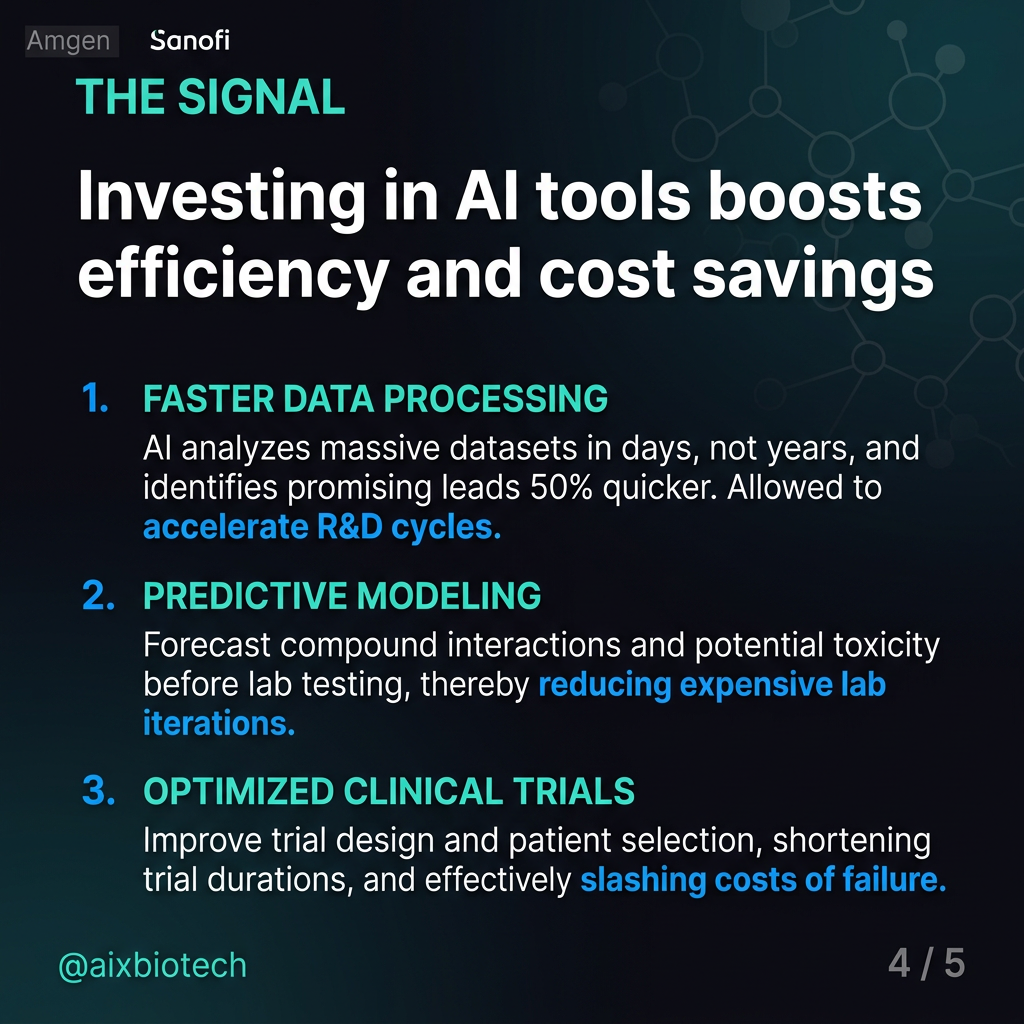
First, carrying costs. AI reduces excess inventory by predicting demand with higher accuracy than any manual process. Second, stockouts. Machine learning flags supply risks weeks in advance, keeping critical medicines available. Third, cycle time. Fully digitalised, AI-connected supply chains eliminate the bottlenecks that slow time-to-market for new therapies.
What this applies to
These gains apply to non-regulated operational data: demand forecasts, procurement records, logistics data, and distributor performance. AI tools should not touch GMP batch records, IND submissions, or unpublished clinical data without validated systems and compliance sign-off.
The strategic signal
Supply chain used to be a back-office function. That changed. With shrinking margins and growing geopolitical risk, the companies building AI-powered supply chain resilience now will have a structural cost advantage within three years.
Based on publicly available information. This analysis covers non-proprietary, publicly disclosed data only.
If this changes how you think about supply chain investment, like and share it. Follow [AIxBiotech](https://www.linkedin.com/company/aixbiotech) for weekly signals on AI in biotech. Subscribe to the newsletter for the full breakdown. The companies that wait will pay more. The ones that move now will not.